Staff highlight: Ella Dempsey-Blair “My clients give me hope”
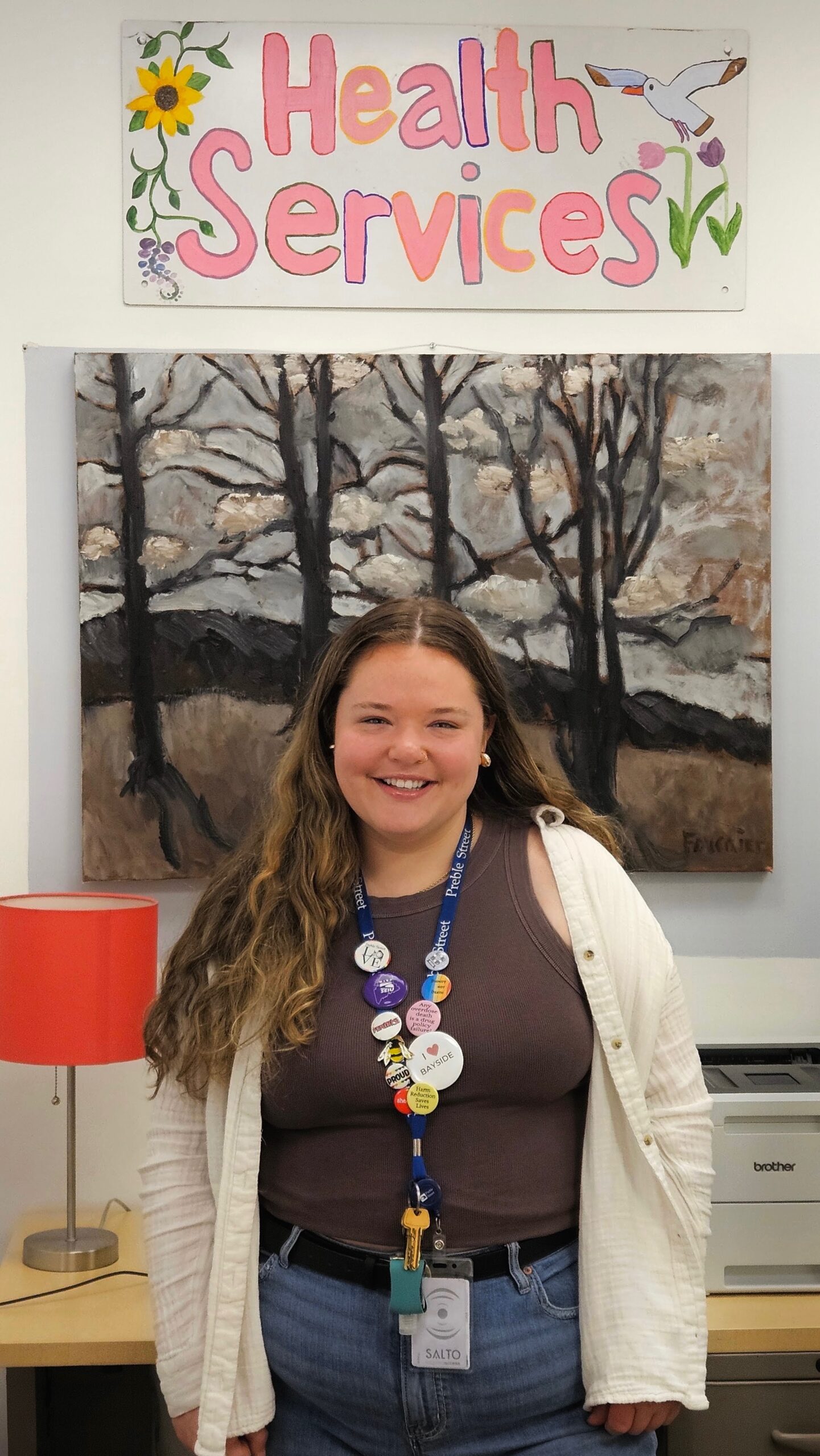
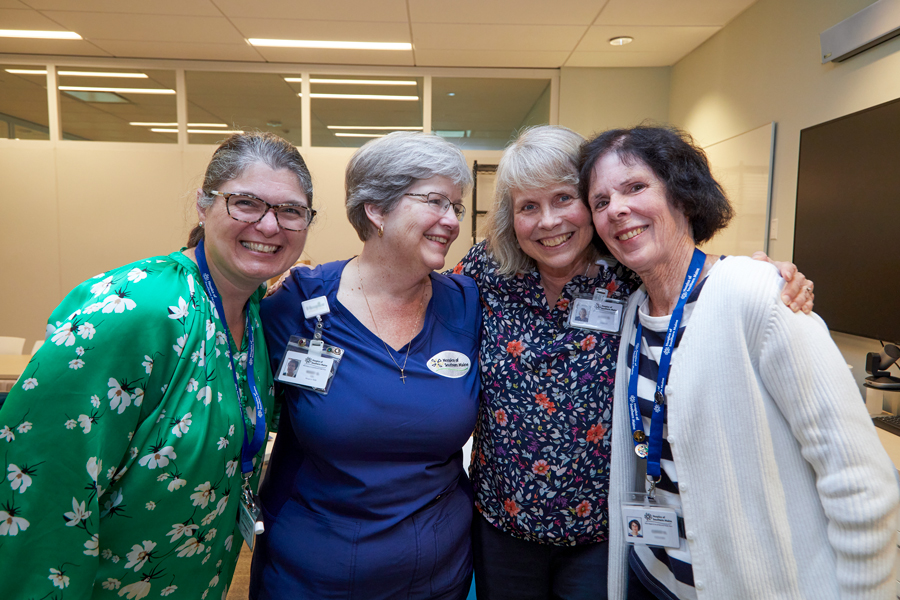
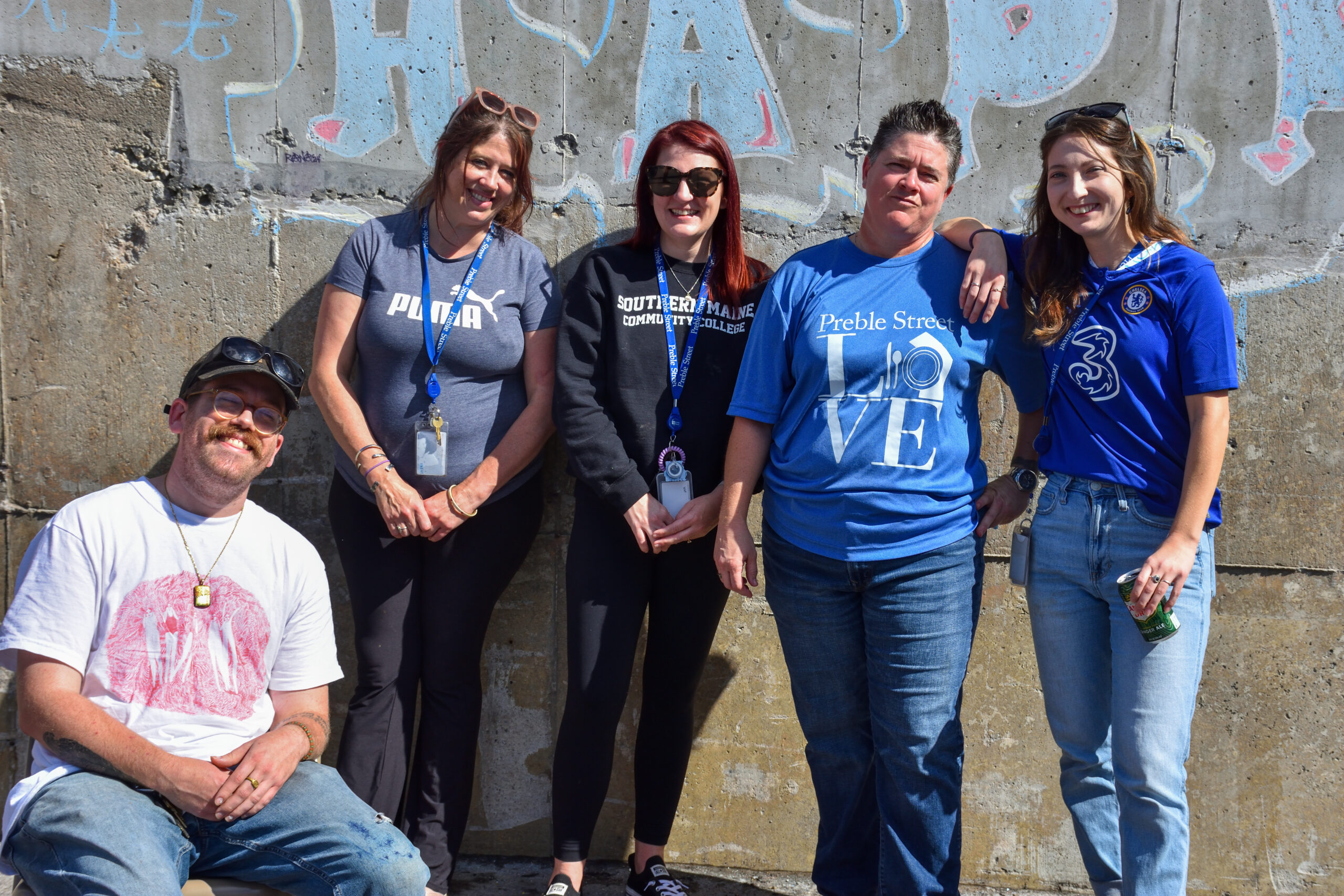
Preble Street staff are #CompassionInAction, and we want you to get to know them! This month, we’re introducing you to Ella Dempsey-Blair, Case Manager, Health Services Name, title, and program: Ella Dempsey-Blair, Case Manager for Preble Street Health Services at the MaineHealth-Preble Street Learning Collaborative. I’ve worked here for over a year and a half. What … Read more
Pete’s Story

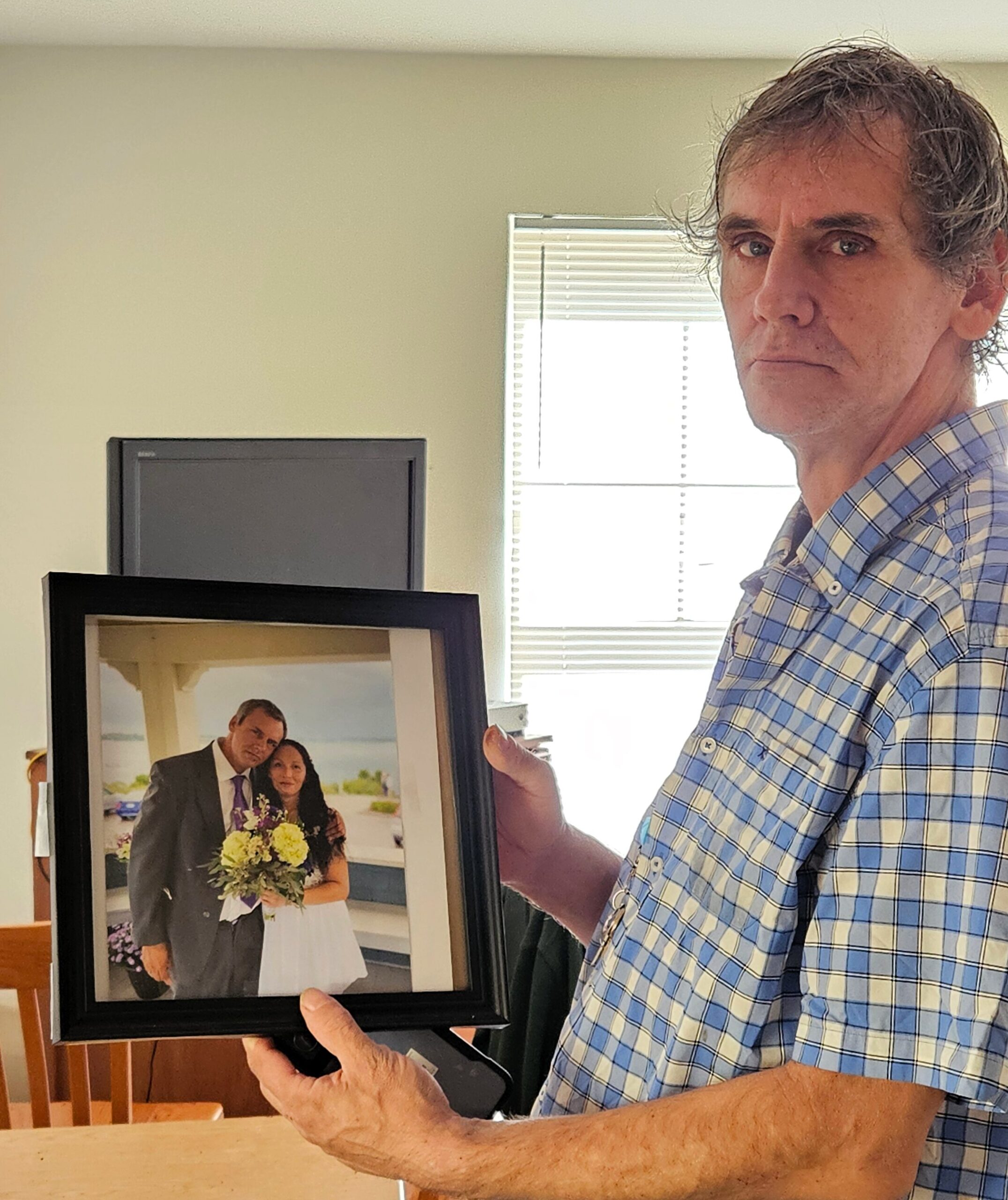
Pete, 56, holds a photo from his wedding day. “I loved everything about Samantha. And we did everything together. She was my soulmate. She planned everything about the wedding day. Those purple and gold flowers…they were her favorite colors. I made sure her urn has those colors for her.”  Today, Pete lives in an apartment at a Preble Street permanent supportive … Read more

Compassionate end-of-life care for unhoused individuals

Preble Street’s work is never done in isolation. We are continuously making connections with other social service providers and nonprofits to better serve clients and the needs of the community. This month, we are highlighting a special partner of several of our programs, Hospice of Southern Maine.  Hospice of Southern Maine (HSM) works to ensure … Read more

Brian’s Story

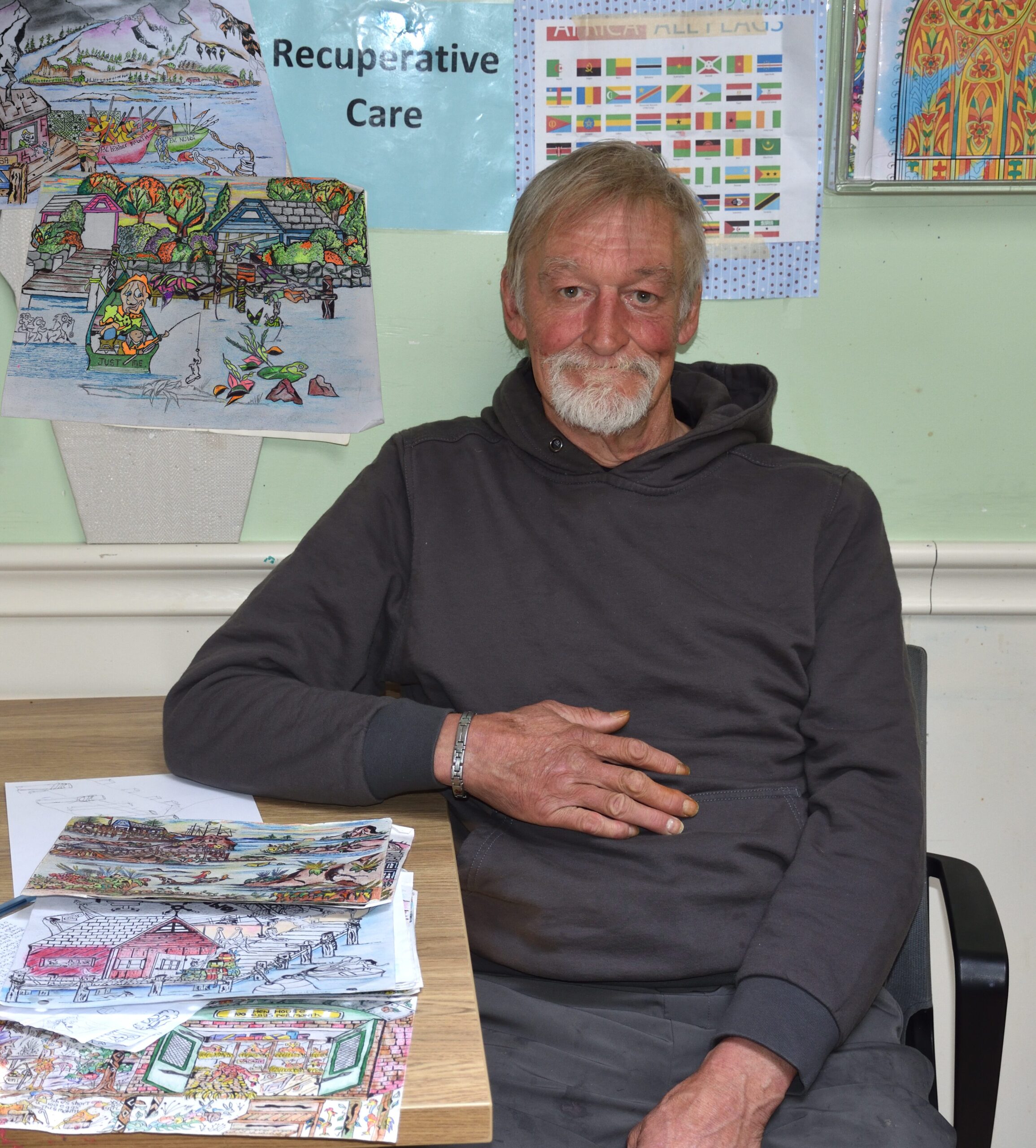
Sitting at a table at the Recuperative Care Program (RCP), Brian lays out pages of his art. “I’m working on making a children’s coloring book,” he says. Most of the pieces he has laid out are of captivating coastal scenes featuring birds, boats, and buoys. The longer you look at each page, the more you’ll … Read more

Staff Highlight: Caitlin Tobin – “I learn so much from our clients”

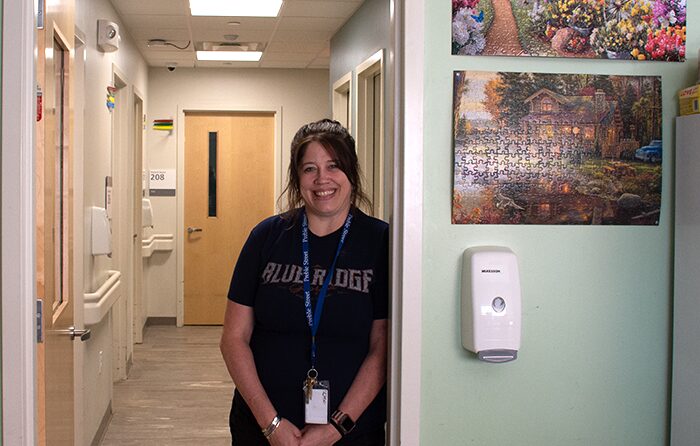
Preble Street staff are #CompassionInAction, and we want you to get to know them! This month we’re introducing you to Caitlin Tobin, 1st Shift Case Manager at the Recuperative Care Program.  Name, title, and program: Cait Tobin, Case Manager, Recuperative Care Program (RCP)  How long have you worked at Preble Street? I’ve been here for … Read more

Medicaid: a lifeline for Mainers

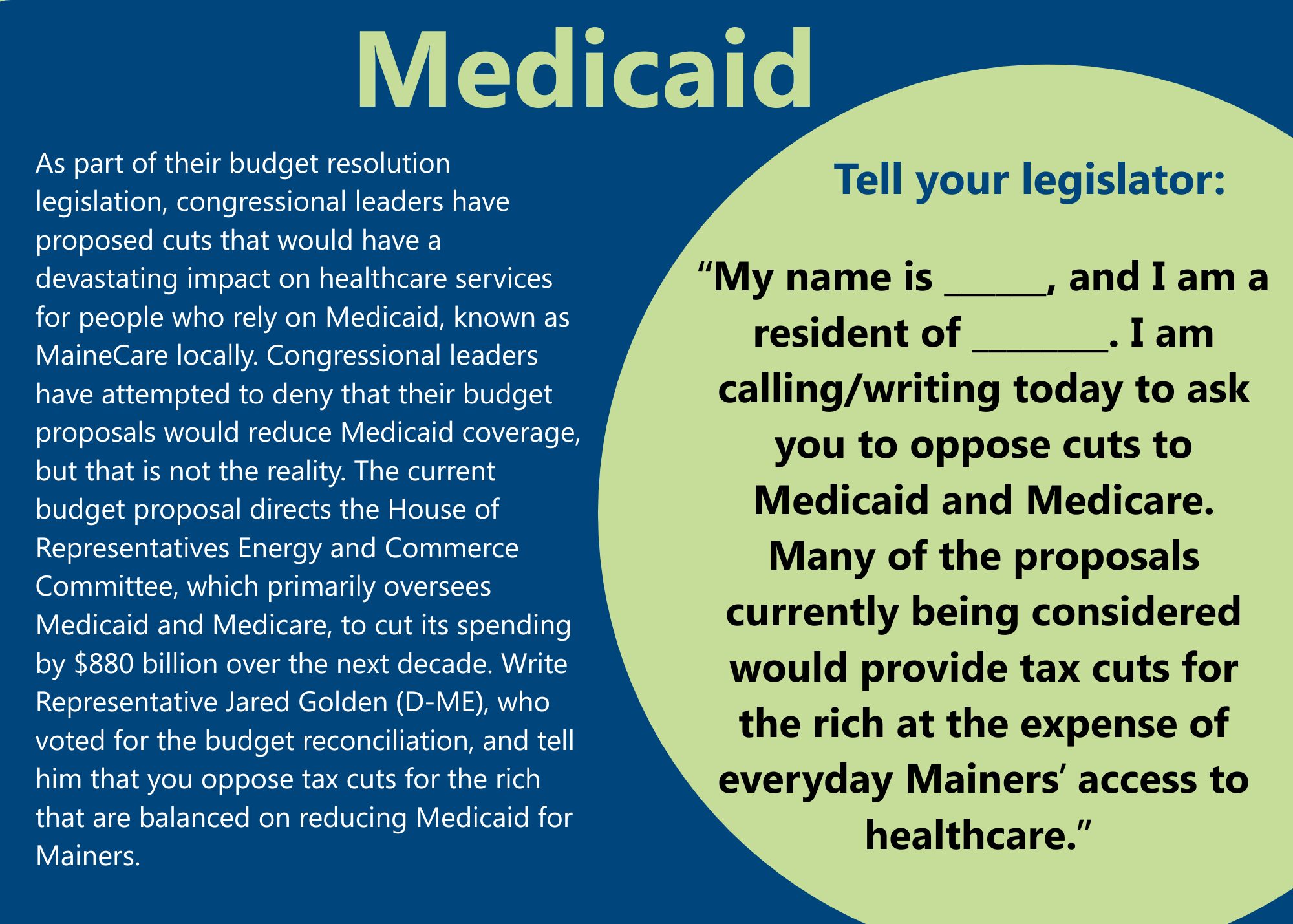
For more than 400,000 Mainers, Medicaid (also known as MaineCare) is a vital support that helps people stay healthy, housed, and fed. Whether it’s someone managing a chronic illness, a parent struggling to make ends meet, or an individual experiencing homelessness, Medicaid helps keep people from slipping further into crisis.  But proposed cuts and new … Read more

Social work is at the heart of the MaineHealth-Preble Street Learning Collaborative

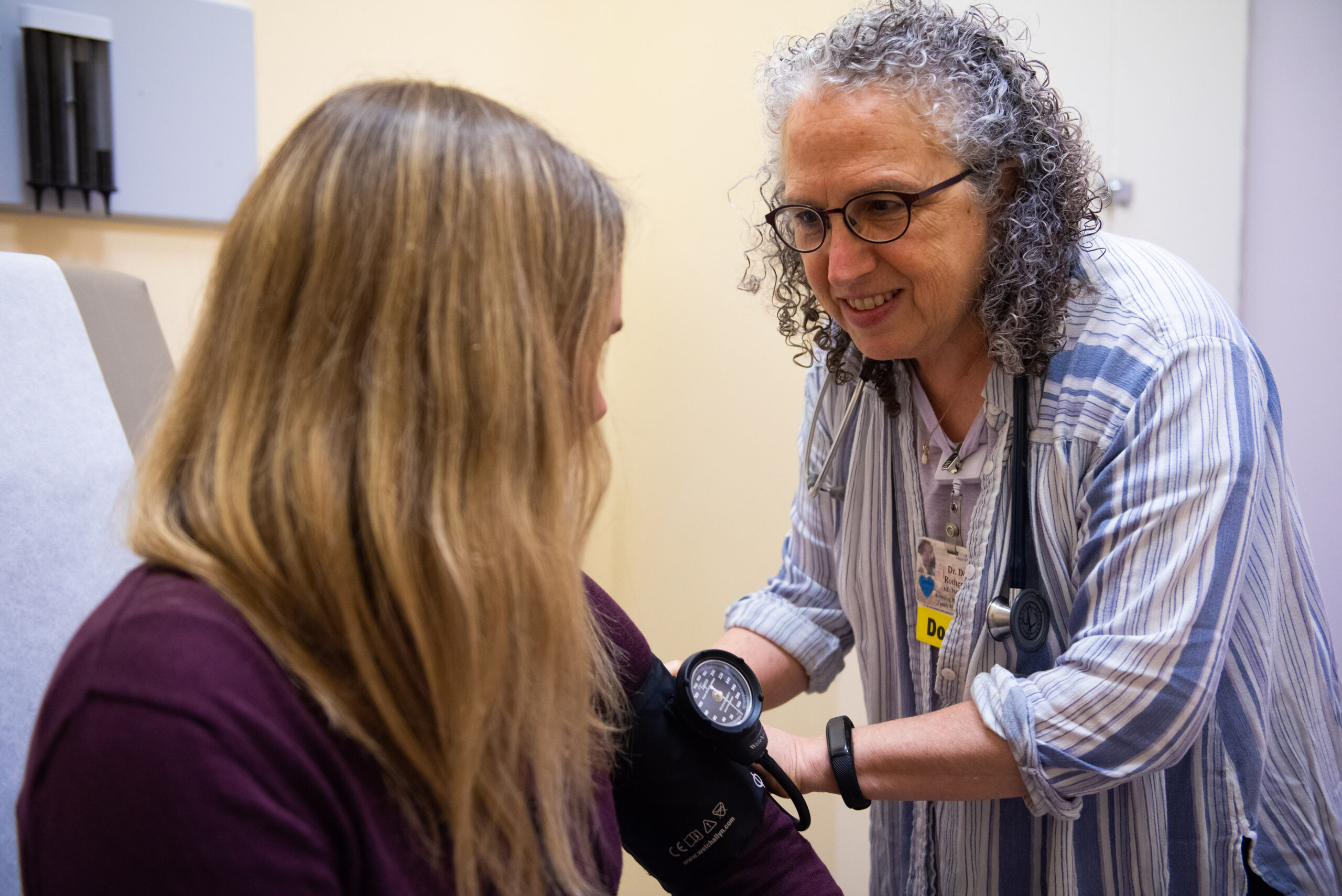
People who are homeless experience severe physical and mental health outcomes, facing many barriers to accessing healthcare and treatment. These barriers can include things like the high cost of care, a lack of insurance, distance or transportation, and even prejudice from the medical community. The MaineHealth-Preble Street Learning Collaborative (MH-PSLC) is a low-barrier, walk-in medical clinic in … Read more

Preble Street’s Recuperative Care is a one-of-a-kind program for Maine

Art, books, and inspiring messages are found inside and on the walls at Maine’s first recuperative care program. Picture this… you’ve endured a difficult surgery or have had a life-threatening illness or injury. You’re about to embark on a long recovery process, and will soon be discharged from the hospital and have nowhere to go … Read more

MaineHealth CONNECT Van started service on July 1

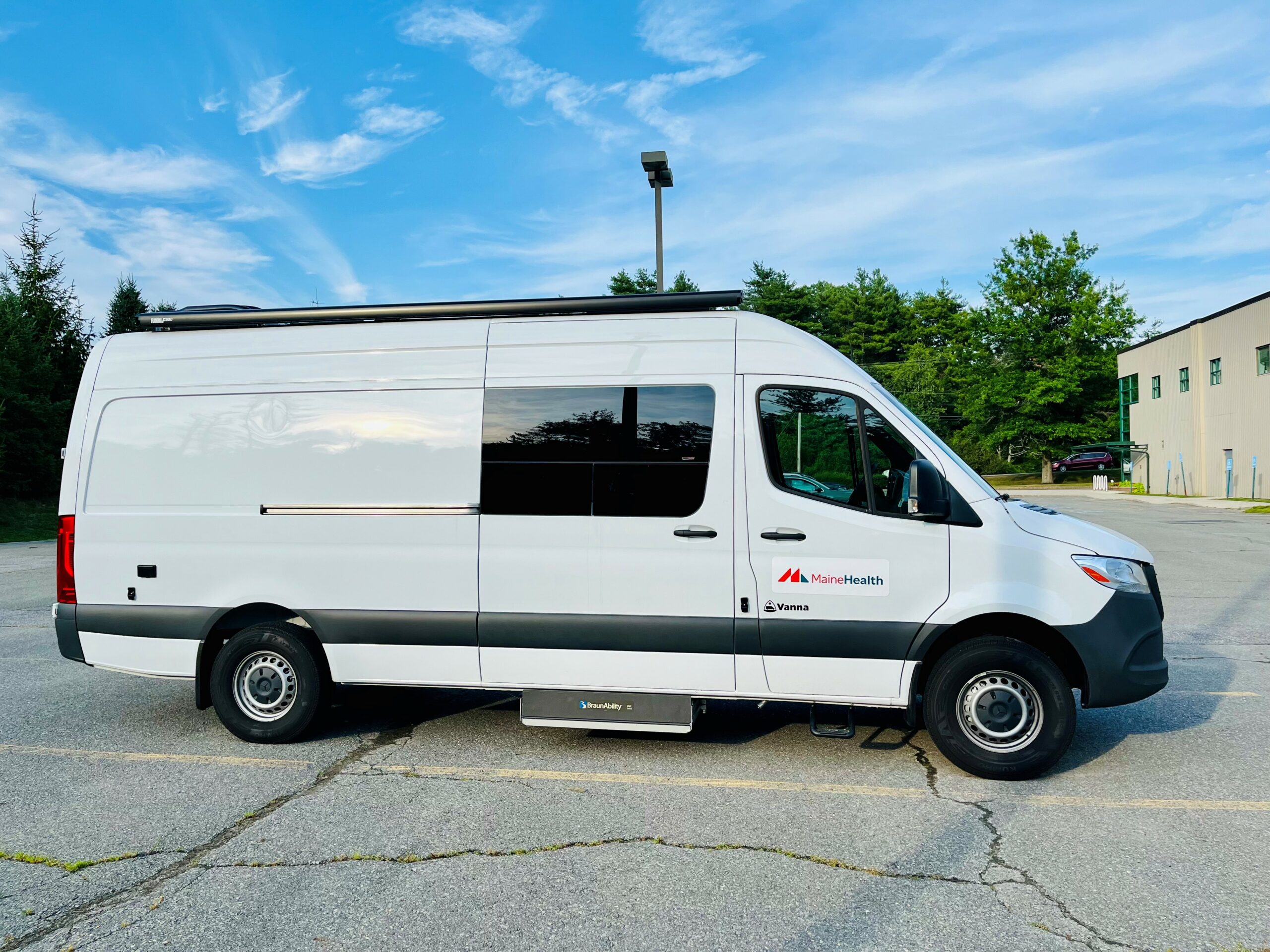
National data from Harvard Medical School show that mobile health clinics are money savers that connect people to preventative care and outpatient services. Across the country, mobile clinics have reduced emergency department visits, returned money to communities, and saved lives.  On July 1, MaineHealth launched their very own mobile health clinic, called the CONNECT Outreach Van. The CONNECT … Read more

Educating future doctors at the Learning Collaborative

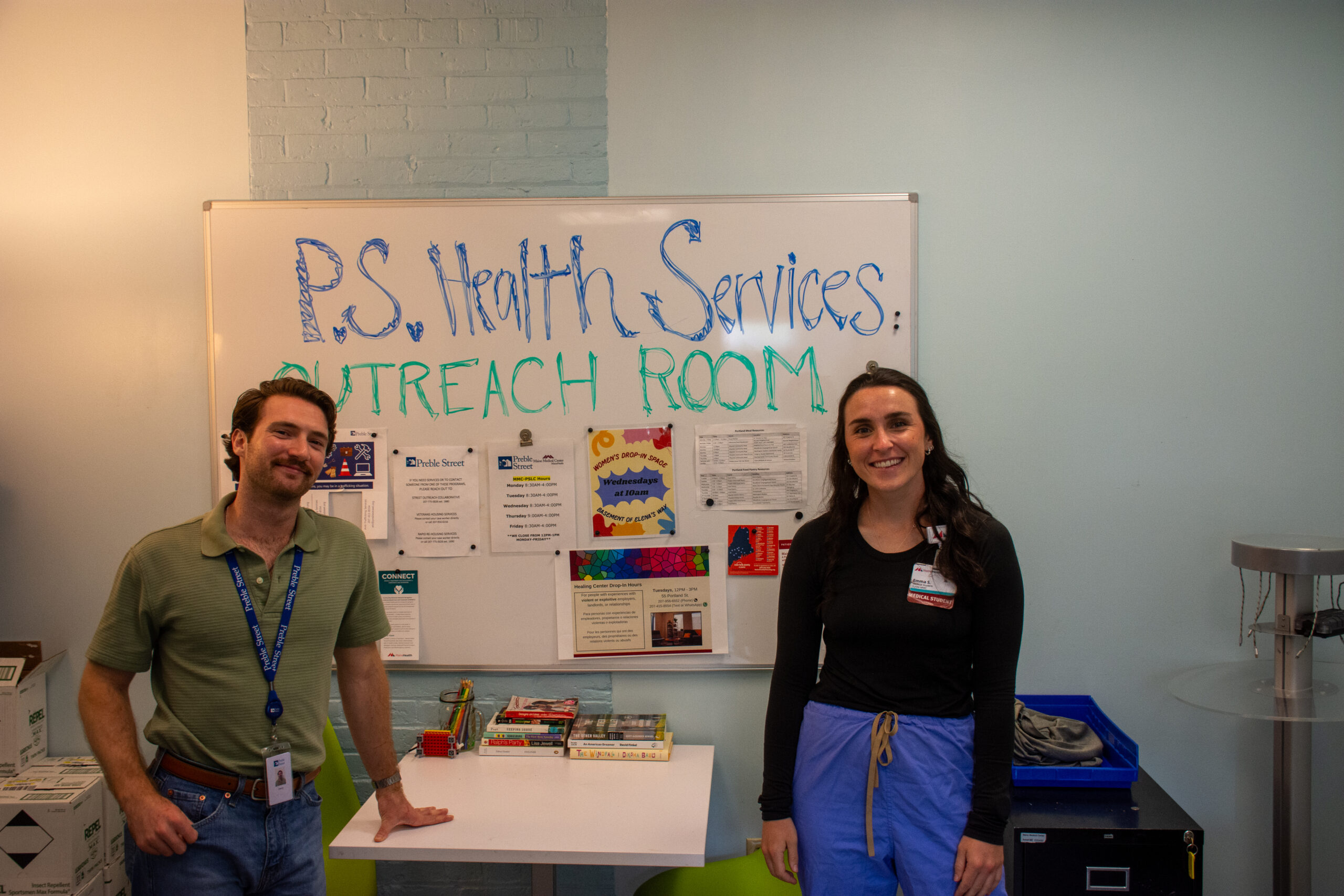
“You can be the best doctor in the world… have a photographic memory and memorize every type of medication. But, if your patients aren’t getting their basic needs met outside of the clinical environment, if they don’t have housing or shelter, if they don’t have access to food, it’s really, really hard to treat them … Read more