“You can be the best doctor in the world… have a photographic memory and memorize every type of medication. But, if your patients aren't getting their basic needs met outside of the clinical environment, if they don't have housing or shelter, if they don't have access to food, it's really, really hard to treat them and really hard to keep them healthy.”
Danny Lassman, Tufts University Tisch Fellow
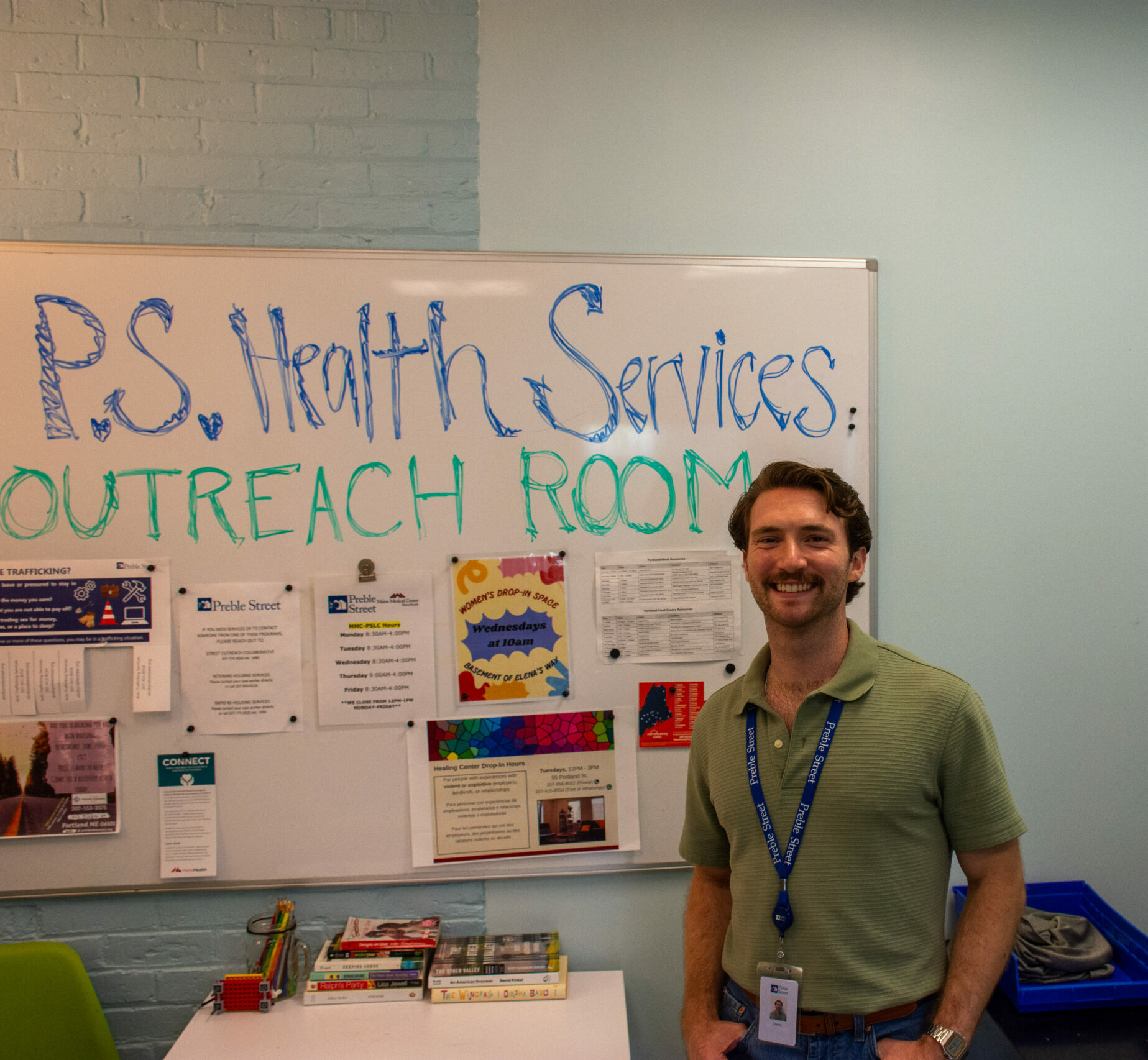
Danny Lassman is the Tisch Summer Fellow at the Maine Health-Preble Street Learning Collaborative. The Learning Collaborative is a partnership between Maine Medical Center and Preble Street that provides health and care coordination services for people experiencing homelessness.
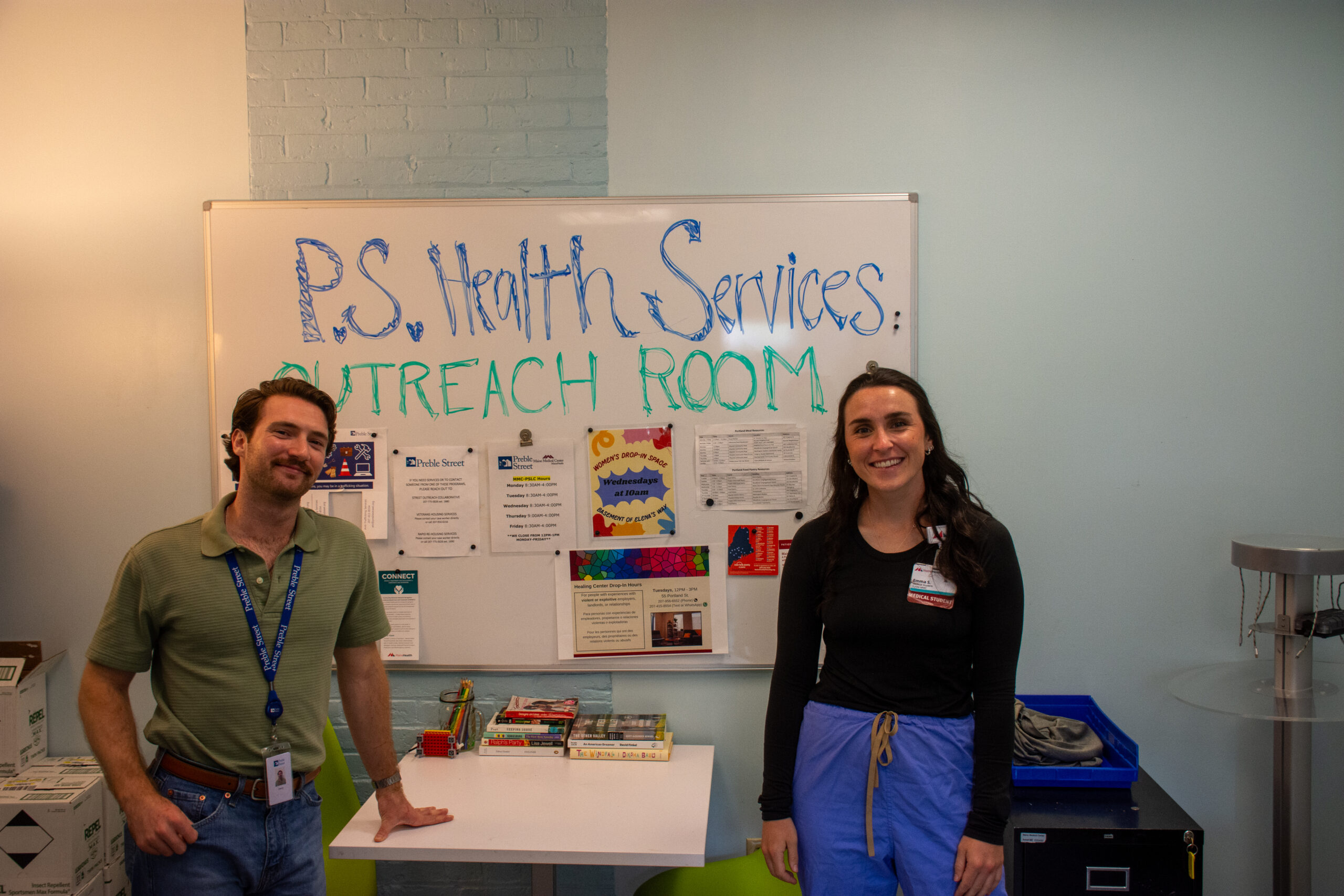
Danny works alongside MaineHealth medical providers and Preble Street staff to help meet clients’ basic needs and establish positive relationships with people receiving care and services. This can look like finding someone a hat and sunglasses on a hot day, getting them a snack if they’re hungry, or lending an ear and listening.
The Tisch Summer Fellowship is a program from Tufts University, and Danny is a medical student in between his first and second year of medical school. Working at the Learning Collaborative has been extraordinarily valuable for Danny. He says it will shape how he builds relationships with patients in the future, as he feels he better understands how positive relationships are essential to providing the best care: “It’s important for me to have this experience … It’s important that I sit down and learn someone’s name and learn the important things about this person that they feel comfortable sharing with me.”
One of the main goals of the Learning Collaborative is to overcome the barriers to healthcare for people experiencing homelessness in Portland. There are many challenges that prevent unhoused people from accessing healthcare, like transportation, cost, lack of insurance, etc. People experiencing homelessness can also be reluctant to receive treatment because of previous negative experiences they’ve had in healthcare settings and the social stigma associated with being homeless or substance use. Building trust and positive relationships is then key to successful medical care. Danny explains, “We know this person needs this or needs that, but we often need to take smalls steps. It could start with just getting them open to a conversation. Then, maybe we can get them closer to the Learning Collaborative, and then get them inside the building.”
Caroline Fernandes is the director of Health Services at Preble Street. She says the support of the Tisch Fellows is firstly a big help every summer and that teaching future doctors about social work best practices and the population Preble Street serves will lead to better care and outcomes for people experiencing homelessness.
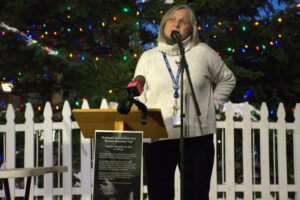
Caroline speaking at the annual Longest Night of Homelessness Vigil in 2021
The more future doctors trained and centered in these core values, like trauma-informed services and non-stigmatizing, compassionate client care, the better care our clients will receive and the more likely they will be to access care. Programs, such as ours, are vitally important in shifting the culture of care for those we serve.
Caroline Fernandes, director of Health Services
Working at the Learning Collaborative, Danny has seen some of the obstacles that prevent unhoused people from accessing care and being healthy. “You can be the best doctor in the world… have a photographic memory and memorize every type of medication. But, if your patients aren’t getting their basic needs met outside of the clinical environment, if they don’t have housing or shelter, if they don’t have access to food, it’s really, really hard to treat them and really hard to keep them healthy,” says Danny.
Emma Stevens is another Tisch fellow. She completed the program in 2022 and is now in her third year of medical school. This year, she chose to return to the Learning Collaborative for one month for clinical rotations. Like Danny, Emma says working at the Learning Collaborative has been an important learning experience for how she creates relationships with patients. Looking back on one experience with a patient, she says, “We took a less is more approach, and they keep coming back. They’re slowly gaining trust, not only of the people but also of the space.”
Built into the mission and purpose of the Learning Collaborative is the goal to educate future healthcare providers about the specific needs of people experiencing homelessness, so they can go on to better serve patients. Danny and Emma are both examples of this goal of the Learning Collaborative in action. Through firsthand experience, they are understanding the value of building authentic connections and how that in turn leads to better care and outcomes.
Read more...

“A safe place out of the cold” – Maine’s only Recuperative Care Program
“How far staff was willing to go to help me succeed.” “Having my own private room and space for healing.” “Knowing I could just relax and focus on my health.” “Having a place to be out of the cold with people who took care of me well.” These are a few responses from clients exiting
Staff highlight: Ella Dempsey-Blair “My clients give me hope”
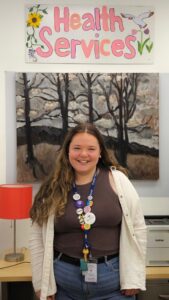
Preble Street staff are #CompassionInAction, and we want you to get to know them! This month, we’re introducing you to Ella Dempsey-Blair, Case Manager at Health Services Name, title, and program: Ella Dempsey-Blair, Case Manager for Preble Street Health Services at the MaineHealth-Preble Street Learning Collaborative. I’ve worked here for over a year and a half.
Pete’s Story
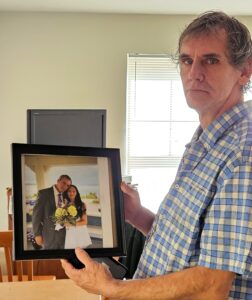
Pete, 56, holds a photo from his wedding day. “I loved everything about Samantha. And we did everything together. She was my soulmate. She planned everything about the wedding day. Those purple and gold flowers…they were her favorite colors. I made sure her urn has those colors for her.” Today, Pete lives in an apartment at a Preble Street permanent supportive