NEWS

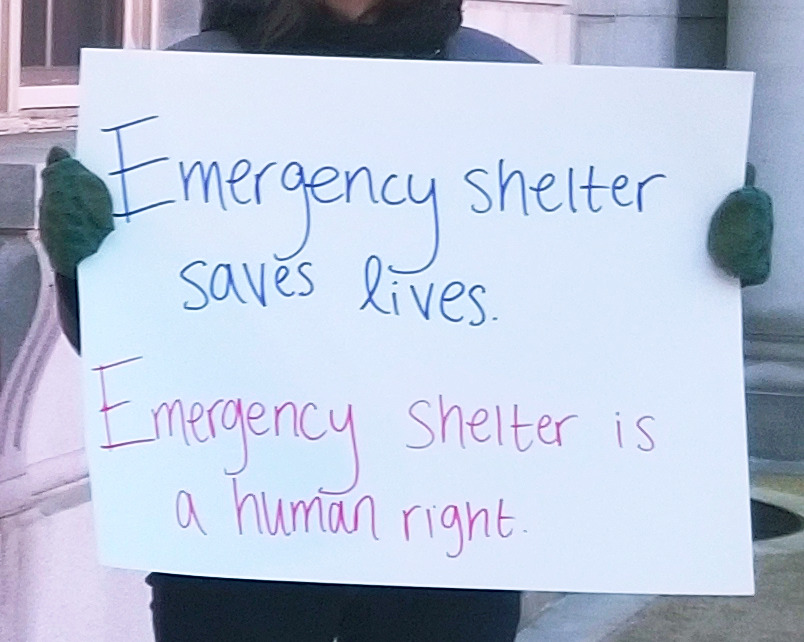
Take Action: Tell Maine to provide permanent funding for emergency shelters!

Depending on where a person lives in our state, they may need to travel hours to the nearest shelter if they become homeless. There is no guarantee that when they arrive there will be a bed available. Right now, there are not enough shelter beds in Maine for the thousands of individuals and families experiencing homelessness. Yet, year after year, the shelters that provide critical care and services to vulnerable individuals and families are on the brink of shutting down due to lack of sustainable and permanent funding.  

LD 2124, An Act to Support Emergency Shelter Funding Using Revenue from the Real Estate Transfer Tax, would help ensure Maine’s 40 shelters can continue to provide the accessible, professionally run, and lifesaving services that support people from all of Maine’s 16 counties. 

You can help! Submit written testimony or testify in person or online on LD 2124 and tell the Housing and Economic Development Committee to vote “Ought to pass”! 

  1. Maine’s Housing and Economic Development Committee is holding a public hearing on Tuesday, February 10, at 1 pm in Augusta (Cross Building, Room 206) 
  2. Submit written testimony or sign up to testify via Zoom here  

How would LD 2124 help, and why does it matter?

1. Emergency shelters are a pathway to housing. Most emergency shelters offer more than a place to sleep. Professional shelter staff support individuals and families in navigating housing options, addressing barriers, and connecting to employment and healthcare supports to move out of homelessness as quickly as possible. 

2. Funding shelters makes sense for local budgets. When shelters lack funding, more people end up outside in dangerous elements, increasing both human and financial costs. A 2025 study showed that even temporary shelter access reduces the stress on a state’s emergency response system, including police calls, emergency room visits, and medical transports, which cost taxpayers money. More importantly, shelters save lives. People surviving outdoors experience higher rates of illness, injury, trauma, and death, and they struggle to access housing programs designed to help them.   

3. Current funding levels aren’t cutting it. While the one-time funding from the state made a real difference last year, it was only a temporary fix. Shelters still need a lasting solution, especially since the main funding they rely on hasn’t increased since 2016. In May 2025, York County Adult Shelter closed its doors leaving the entire region without this critical resource, and many of our neighbors with no place to turn. We can’t let this happen again. Every shelter closure reduces the number of shelter beds in Maine, increases human suffering, and places greater pressure on police, emergency medical services, hospitals, municipalities, and on the next closest, already full shelter. 

Please submit testimony to the Housing and Economic Development Committee today! 

Human Trafficking Awareness and Prevention in Maine

Hailey Virusso, Director of Preble Street Anti-Trafficking Services, spoke with News Center Maine about human trafficking in our state. Watch here. ACTION ALERT: On Wednesday, February 4, Maine’s Health and Human Services Committee will hold a public hearing on LD 2136, An Act to Support Victims of Trafficking in Maine in Response to Federal Funding

Read More »