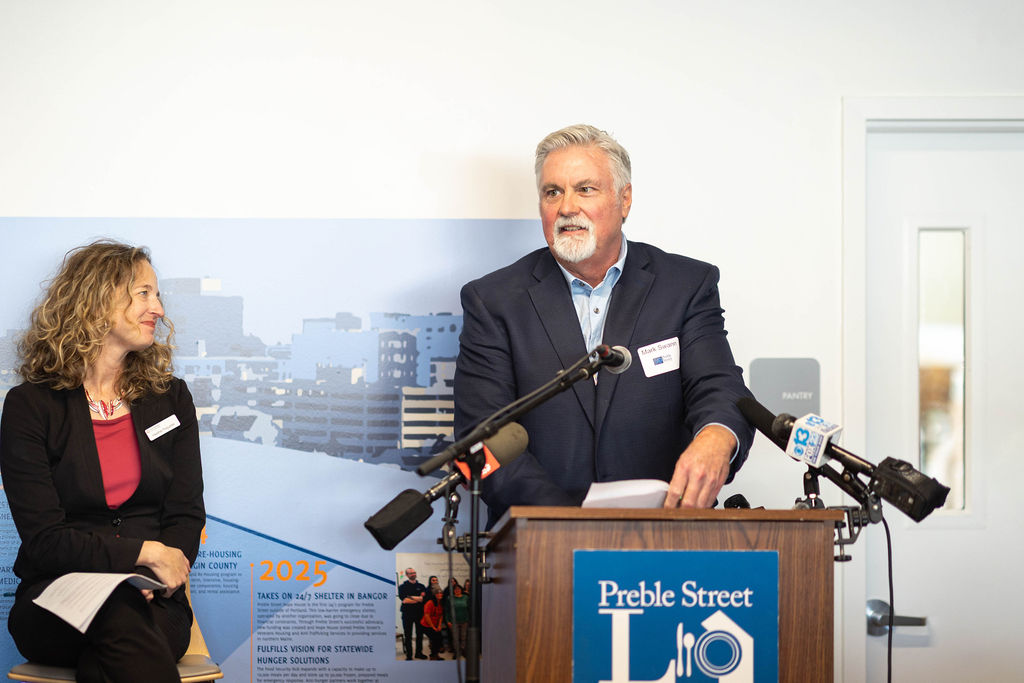

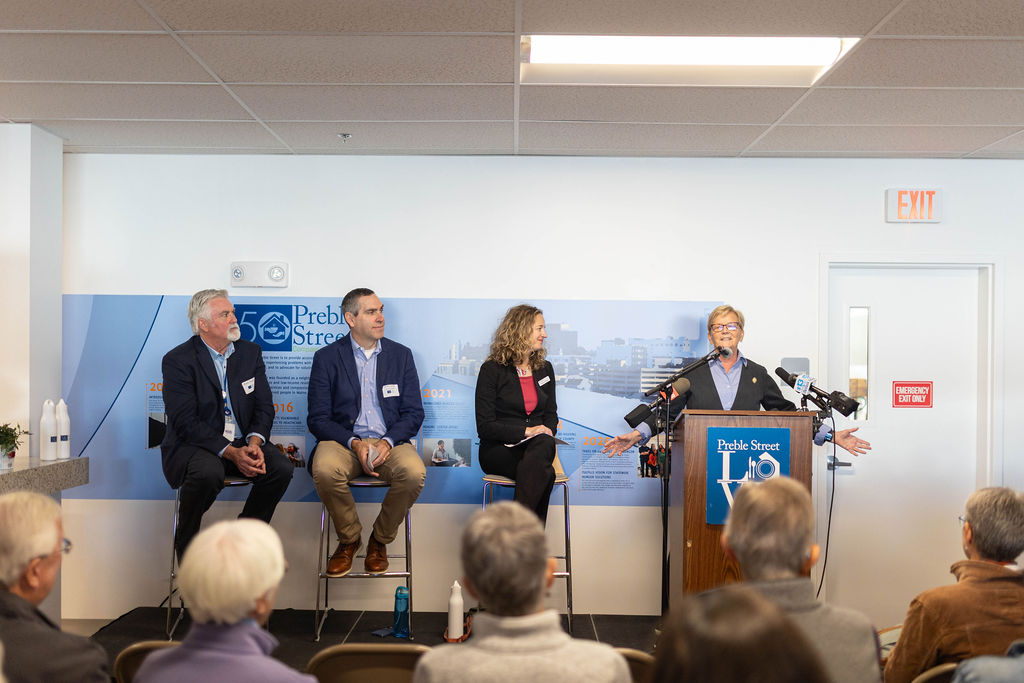
“This place is just amazing. And thank goodness it’s ready for business. The timing for the opening of this Food Security Hub could not be better. With federal cuts to emergency food assistance and healthcare chipping away at the safety nets that help many people in our community stay fed, healthy, and housed, we collectively need to continue ramping up efforts to keep people safe, and to ensure justice for all.” – Preble Street Executive Director, Mark Swann
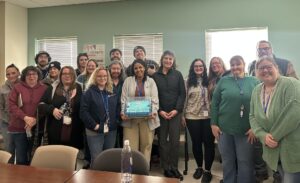
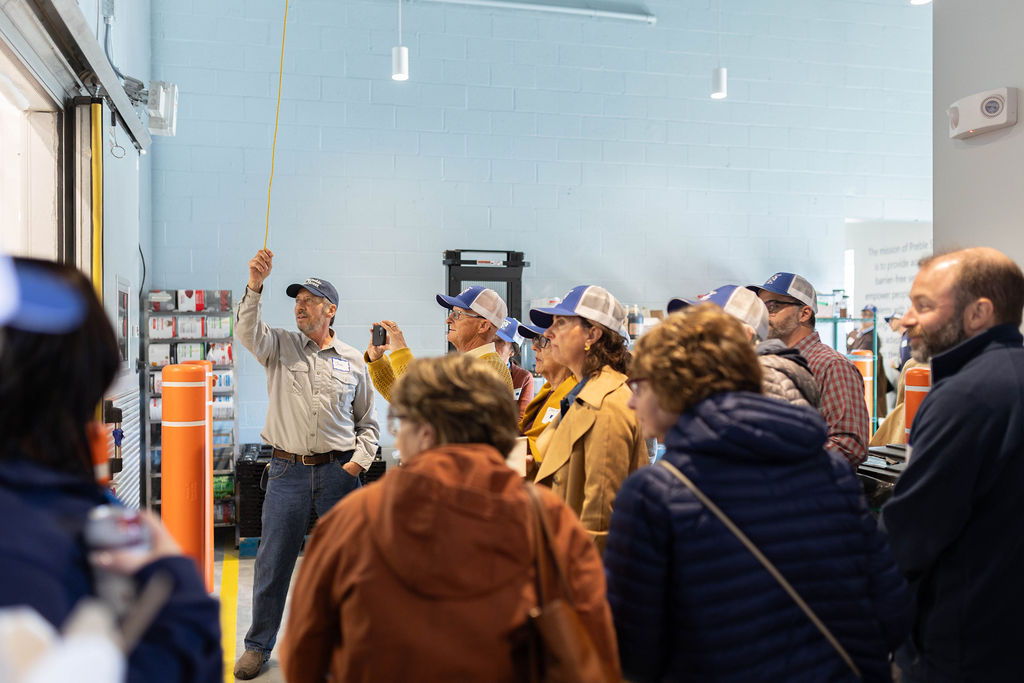
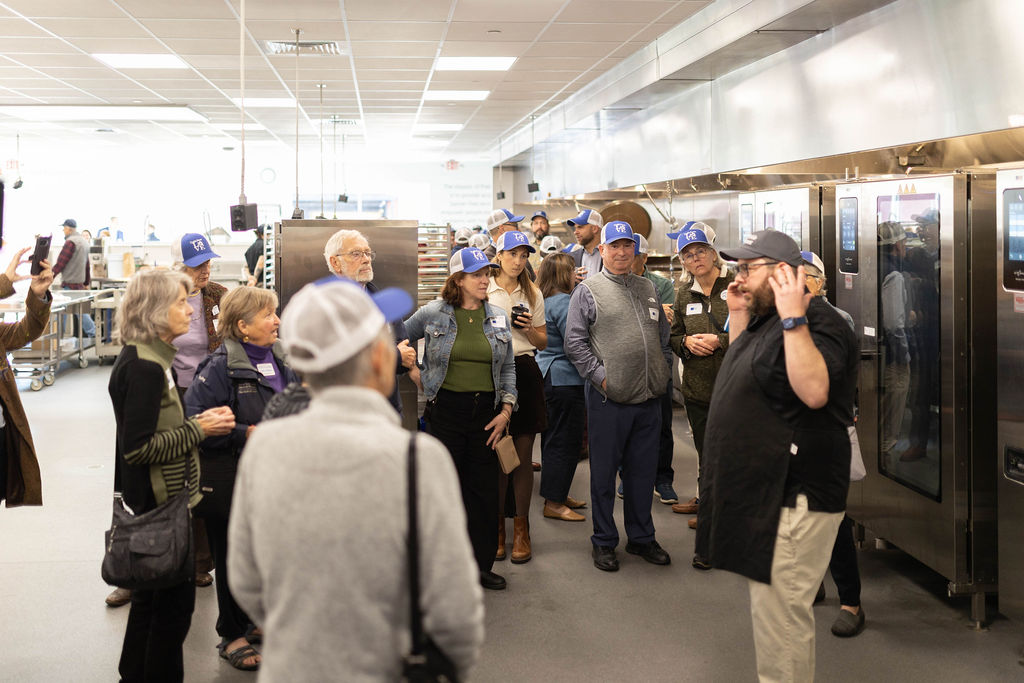
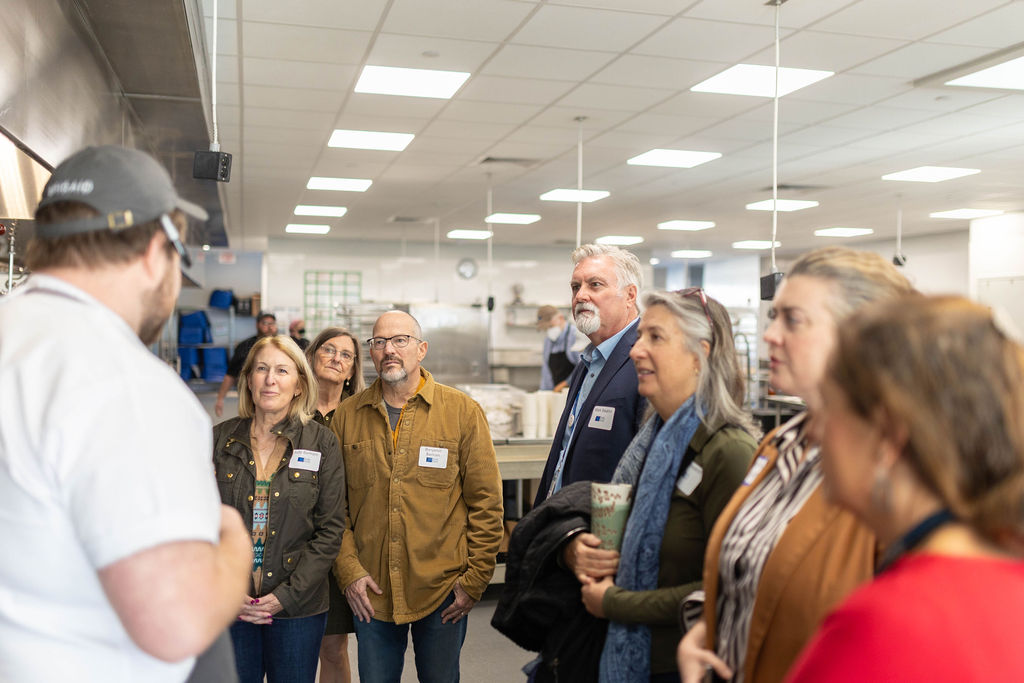
On Friday, October 24, over 150 supporters, advocates, partners, farmers, elected officials, and friends gathered for the grand opening of the Food Security Hub, an opportunity for hope in the midst of the most critical time for food insecurity in decades.
Since Preble Street first opened its doors 50 years ago, food has played an important role in the social work we do. It’s simple — when basic needs are met, employment, education, housing, and connection to health care, substance use and mental health support become the next steps.
When the pandemic first hit, Preble Street had to quickly change its emergency food operations from a congregate dining model to a food production model. Rather than encouraging people experiencing hunger to congregate in a crowded soup kitchen, we began providing prepared meals for people to eat where they were already staying, including at emergency shelters, the YMCA, and on the street. During this time, we were preparing and delivering about 900 meals a day.
As COVID and its effects on our community dragged on, and after countless conversations with partner agencies and other anti-hunger advocates, the vision for the Food Security Hub began to form. In November 2021, Preble Street purchased the 30,000 square foot building at 75 Darling Avenue in South Portland. Now that renovations are complete, our Food Programs team — led by two professionally trained chefs — is using the expanded kitchen to make a bigger impact in the face of this SNAP crisis. We are increasing the number of meals that we cook daily to help more of our neighbors have food on the table.
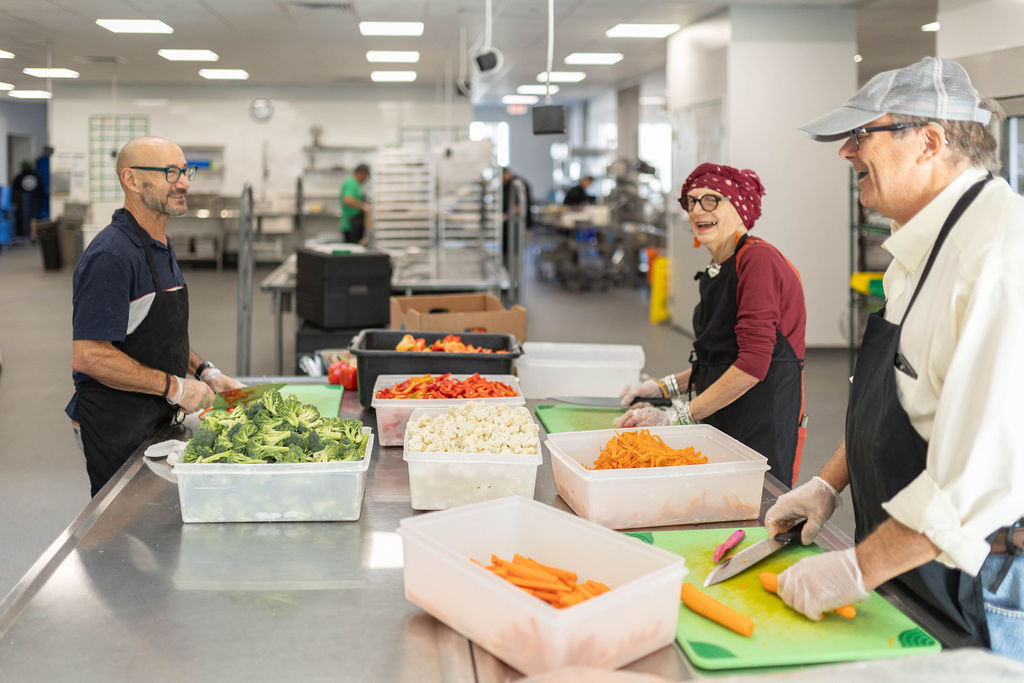
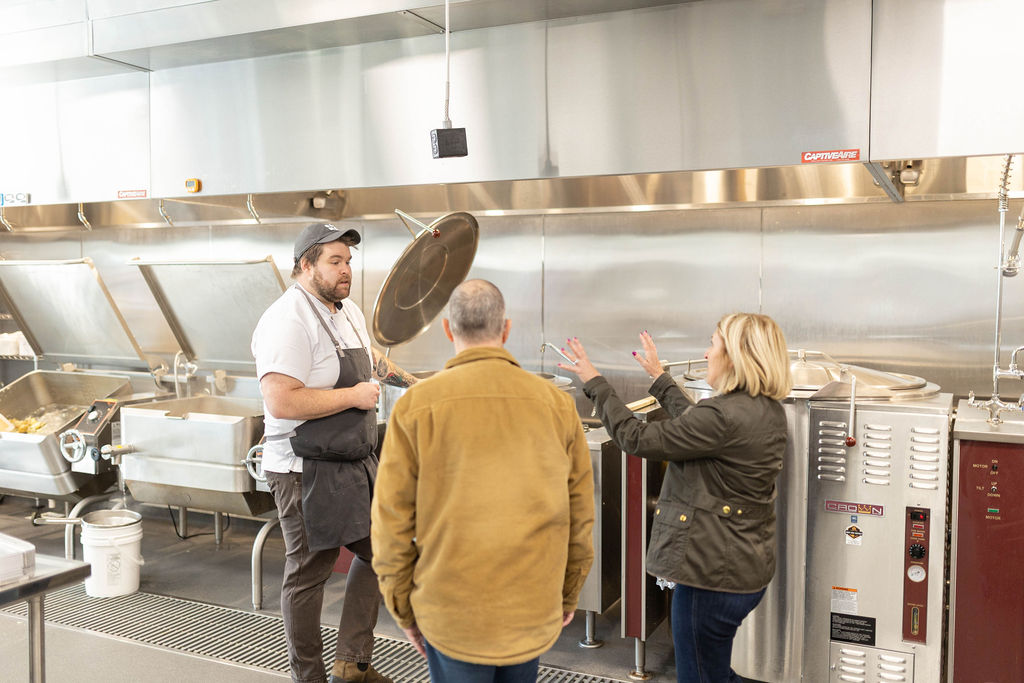
In the brand new 5,000 square foot kitchen, restaurant quality equipment allows our trained staff and volunteers to prepare and cook food at volumes that were impossible in our old kitchens. We can now easily make hundreds of gallons of chicken stock for a soup or cook pallets and pallets of donated summer tomatoes into sauces and salsa.
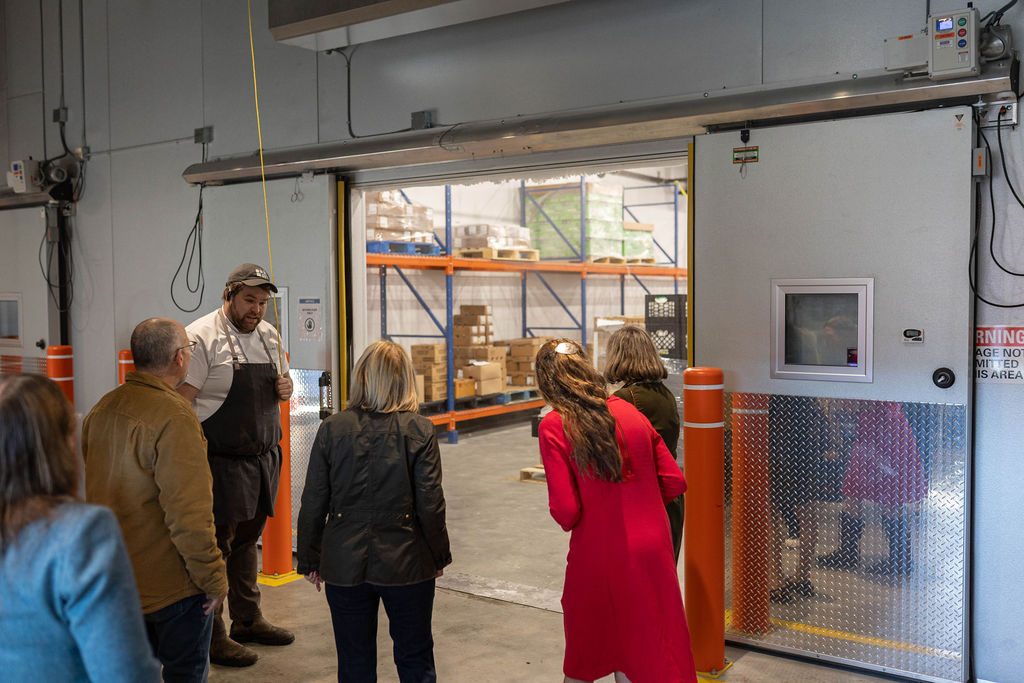
But it’s not just about quantity. Our chefs have been hard at work over the last few months doing research and development to determine which frozen meals will taste the best when reheated. And our partnerships with local farms mean we are using nutritious, locally sourced ingredients as often as possible. Using blanchers, blast chillers, and dehydrators we can also preserve produce for year-round use, massively reducing the amount of waste from food donations.
While we will continue to work relentlessly to feed people in Maine, even a 30,000 square foot facility like the Food Security Hub cannot take the place of SNAP benefits, which provides food assistance for 170,000 Mainers (or 12.5% of the state population). We are both furious and devastated that the White House has decided not to release these critical funds.
For 50 years, Preble Street has created innovative solutions like the Food Security Hub and advocated fiercely for the basic human rights of our neighbors. We will continue to do so every day until there is truly dignity and justice for all.
Read more

“Anti-poverty work is trafficking prevention.” – an interview with Alicia Peters
Alicia Peters, Ph.D., is an associate professor of anthropology at the University of New England. Her most recent book, “Trafficking Trajectories: Vulnerability, Failed Systems, and the Case for Prevention” focuses on the experiences of trafficking survivors in Maine and New Hampshire. Prevention, survivors’ needs Since your focus most recently has been on Maine and New

Impact of current ICE actions on Preble Street
Leah McDonald, Vice President of Staff & Culture at Preble Street, shares how the recent surge of Immigration and Customs Enforcement (ICE) actions in Maine is affecting staff and their work. How would you describe Preble Street staff and the work they do? Preble Street staff — whether they are social workers or administrative employees —

Preble Street statement on ICE actions
Keeping vulnerable people safe is core to the Preble Street mission. And right now, many of our community members, rightfully so, do not feel safe. Increased presence of Immigration and Customs Enforcement (ICE) agents, as part of the dehumanizingly named ‘Operation Catch of the Day,’ is creating constant fear and anxiety for so many of our neighbors. Targeting people based on their skin color or country of birth — even those