
NEWS

5 things to know…about recent federal efforts to criminalize homelessness

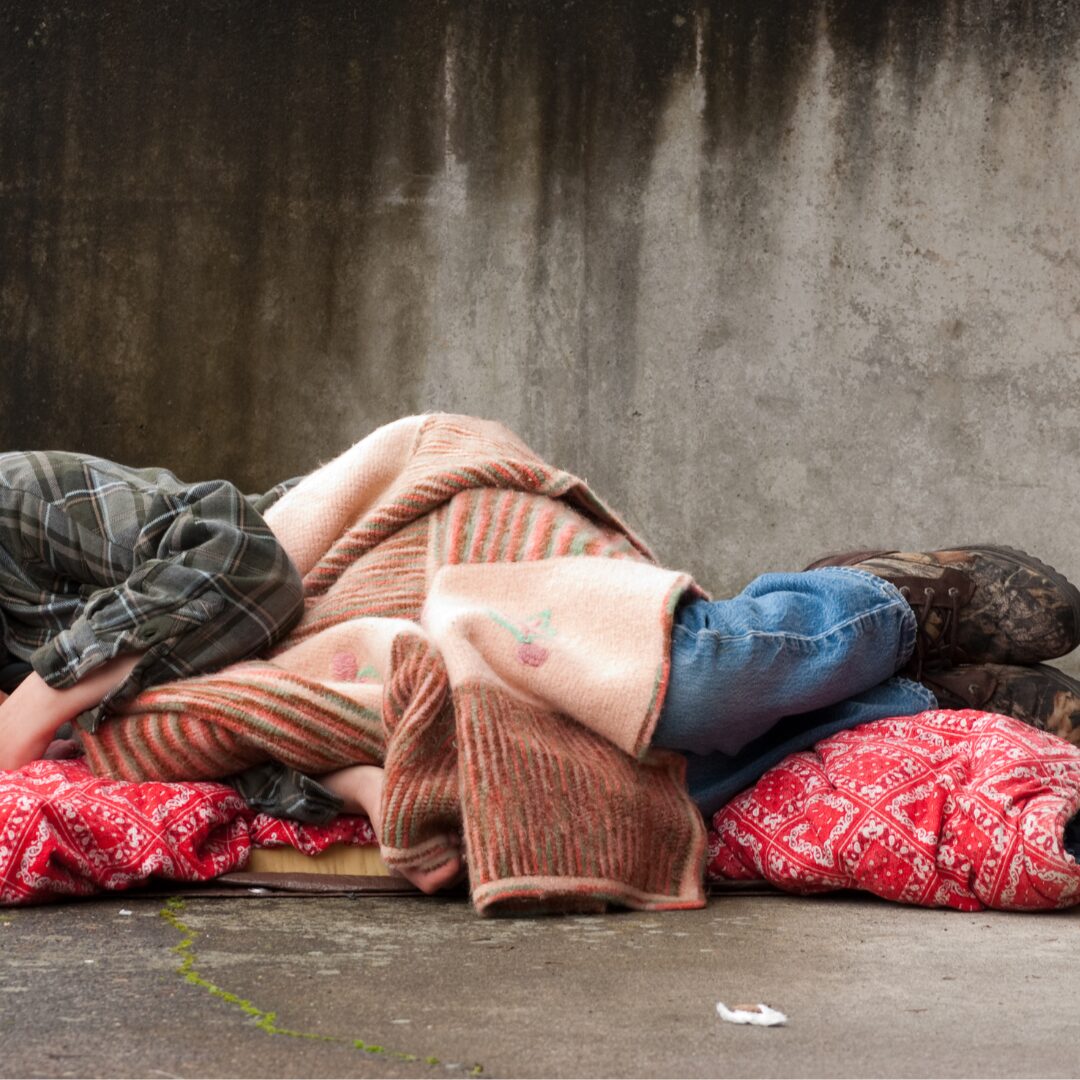
If ensuring the basic human rights of people who are vulnerable and struggling in our community is important to you, right now is a critical time to speak up and out.  In the last few weeks, the White House has issued a directive to forcibly remove people experiencing homelessness from Washington, D.C., and an executive order (EO) making it easier for all states to arrest or involuntarily institutionalize people who are unhoused. These efforts will not lead to more people being stably housed, they will not reconnect people to their families and communities, they will not save money or reduce taxes, and they will not save the lives of our friends and family members who are going through tough times. They will, however, increase homelessness in Maine and beyond. (See Executive Director Mark Swann’s response to the EO here.)  What these policies do is cut or redirect vital funding for mental health or substance use treatments, new emergency shelters, housing efforts, and social services nonprofits trained to connect people with assistance and support. The EO: 

1. Dictates that homelessness is treated as a crime and encourages the use of law enforcement and involuntary institutionalization against people living outside.

2. Demands the redirection of funding from life-saving and evidence-based housing and harm-reduction-based solutions

3. Blames individuals, rather than responding to homelessness as a housing and public health crisis. 

4. Combined with cuts to SNAP and Medicaid, pushes more people into homelessness and lacks solutions to assist people in exiting homelessness.  

5. Raises serious threats to privacy by expanding the collection and sharing of data on marginalized people in our communities 

Criminalizing homelessness wastes our tax dollars and disconnects people from the critical services that provide a path out of homelessness, such as jobs, housing, and healthcare. Right now, unhoused people in Washington D.C. — and soon in the rest of our communities — are being pushed further away from this path.  Contact your federal, state, and local lawmakers to demand a humane, effective, and affordable housing–centered approach to ending homelessness — one that addresses the root economic challenges affecting all Americans.  Read the National Alliance to End Homelessness’s series on this topic.  

Supportive housing works – let’s protect it!

TAKE ACTION: More than 1,200 people in Maine could potentially lose their housing over the next year and be forced out onto the street. The impacts to communities across the state would be devastating. Please contact your members of Congress to tell them that HUD funding must prioritize permanent supportive housing! Senator Susan CollinsWashington D.C. (202) 224-2523Portland, ME (207)

Read More »

A brighter Maine – 3 top legislative victories

This month, the 132nd Maine Legislative session came to an end, and we are so proud of all that was accomplished to make our state better for our most vulnerable neighbors! Preble Street’s Advocacy team and our partners spent many days in the halls of the State House to ensure that the voices, needs, and

Read More »

Maine can make a difference for trafficking survivors

UPDATE APRIL 6, 2026: URGENT ACTION! Maine survivors of human trafficking, some as young as 13-years-old, are being forced to wait for services due to a lack of funding. Using the template below, please contact the Appropriations and Financial Affairs committee (AFA@legislature.maine.gov) TODAY and tell them to provide $317,000 in one-time funding to support survivors of

Read More »