



1. It’s about relationships, not just services.
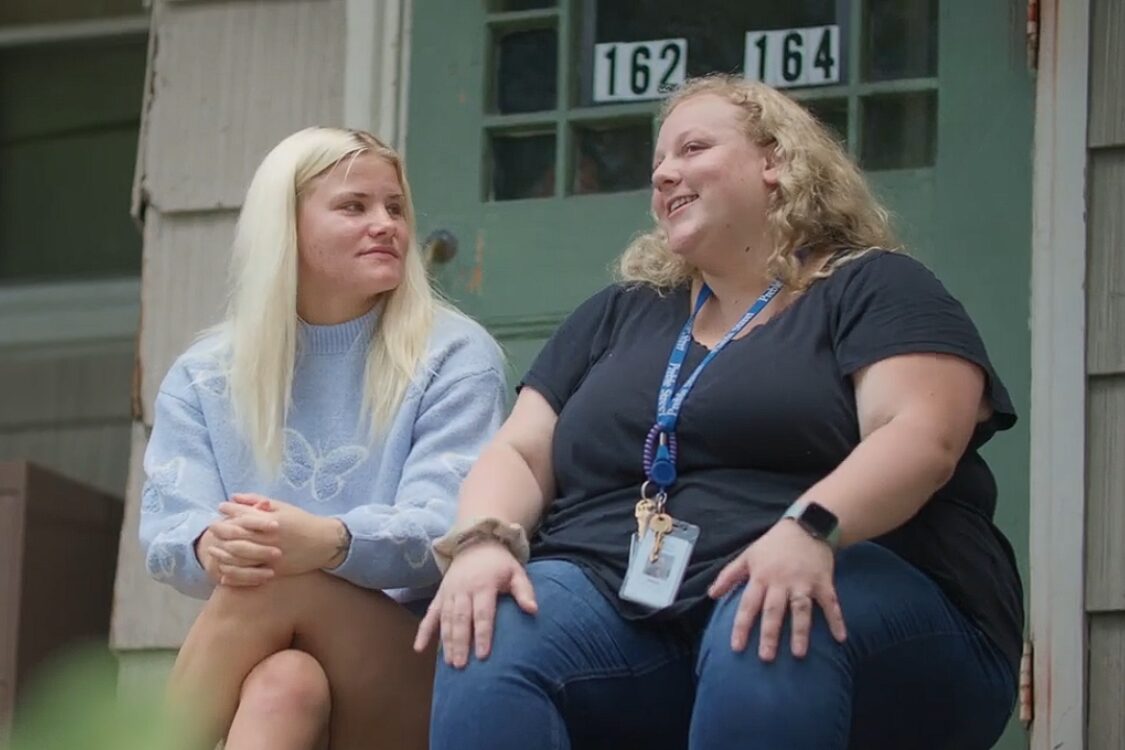
Caseworkers don’t just help connect people to food and housing. They focus on building true human connections with the individuals they work with. Listening, treating each individual with dignity and respect, and getting to know someone’s story are all important parts of the work. At Preble Street, social workers see the whole person and accept them as they are, instead of the people we want them to be. They believe everyone has value and deserves care, no matter their situation.
2. Clients are partners in the process.
Caseworkers work with people, not for them. Clients create their own goals and determine what steps they want to take to get there. Caseworkers help guide them through these processes, offering knowledge of the various systems, available resources, and ensuring the client that they are not alone as they work to regain control of their life.
3. Progress is rarely linear.
As clients work to get shelter or housing, to find employment, or to address substance use, progress isn’t always straightforward. The current economy and systems mean that resources are often limited or nonexistent, with long waitlists for some services. A person may take a few steps forward and a few steps back as they work toward their goals. Sometimes the most important thing a social worker can do is simply be there for someone during difficult moments.
4. The work is both personal and systemic.
Caseworkers help meet people’s immediate needs, but they also advocate for changes to the broken systems that cause homelessness, hunger, and poverty in the first place. As a social work agency, advocacy is a key part of Preble Street’s mission.

Staff highlight: Tim Stokes – Housing problem-solving
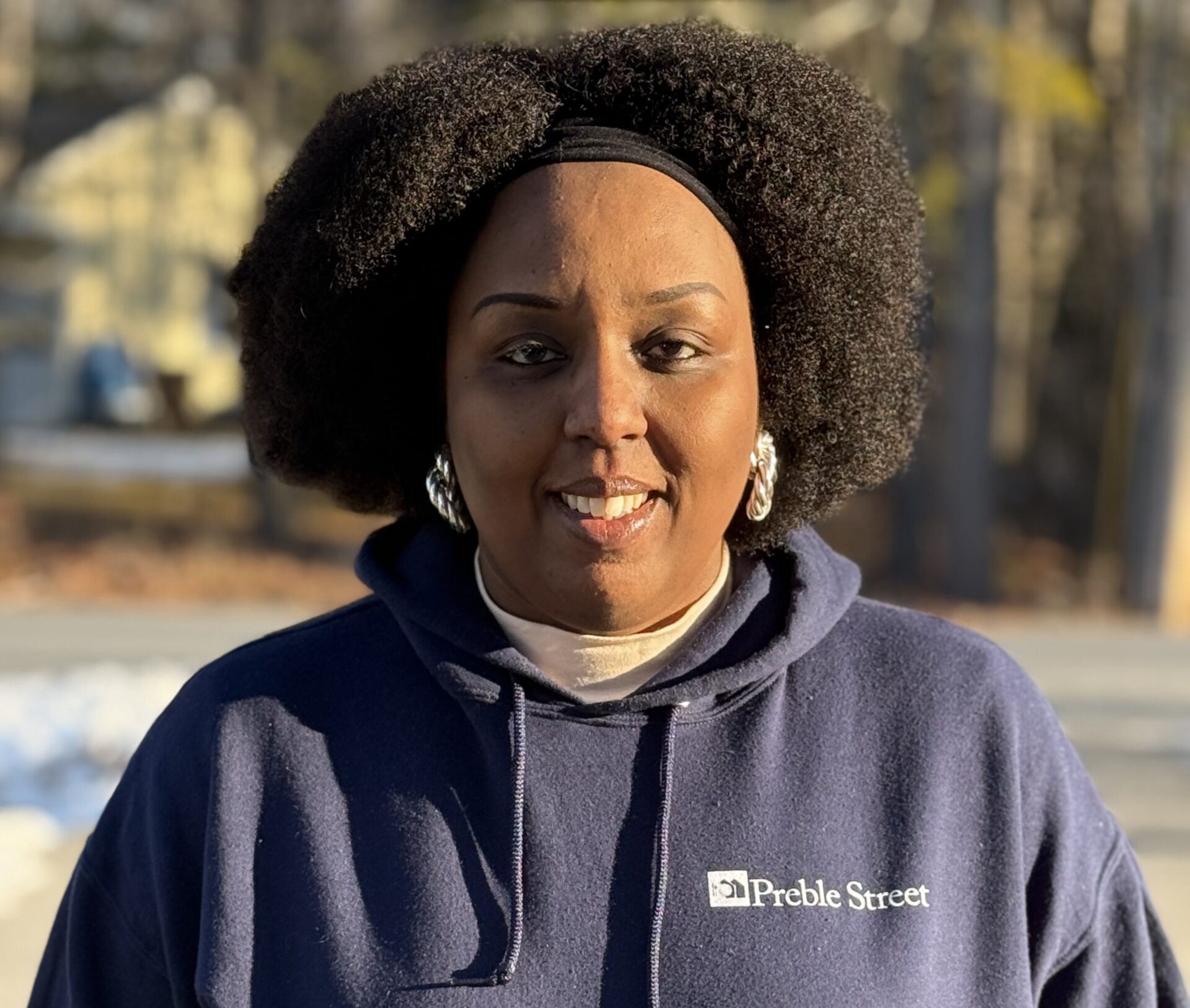
Preble Street staff are #CompassionInAction, and we want you to get to know them! This month we’re introducing you to Tim Stokes, Case Worker, Rapid Re-Housing Program! How long have you worked at Preble Street? Since January 2025. What do you like best about your role? Everyone’s situation is different – but a stable housing arrangement often depends on many things coming together. I enjoy tracking down these things and connecting resources to help others regain a sense of autonomy.
Meet the Chefs
On a blustery Tuesday in March, Chefs Brian and Colin roll out fresh dough for 500 dinner rolls as Chef Romann chops vegetables for the stock he’s brewing in the 80-gallon steam kettle. These three are the head chefs at the Preble Street Food Security Hub, where they lead a team of staff and volunteers in creating, preparing, and packaging thousands of meals every day for people experiencing hunger and homelessness in Maine.

Maine can make a difference for trafficking survivors
Please contact the Appropriations and Financial Affairs committee (AFA@legislature.maine.gov) today and tell them to provide $317,000 in one-time funding to support survivors of human trafficking in rebuilding their lives! Why is this funding important? Trafficking survivors in Maine urgently need support. In the coming days, Maine’s Appropriations and Financial Affairs Committee will consider whether to provide $317,000