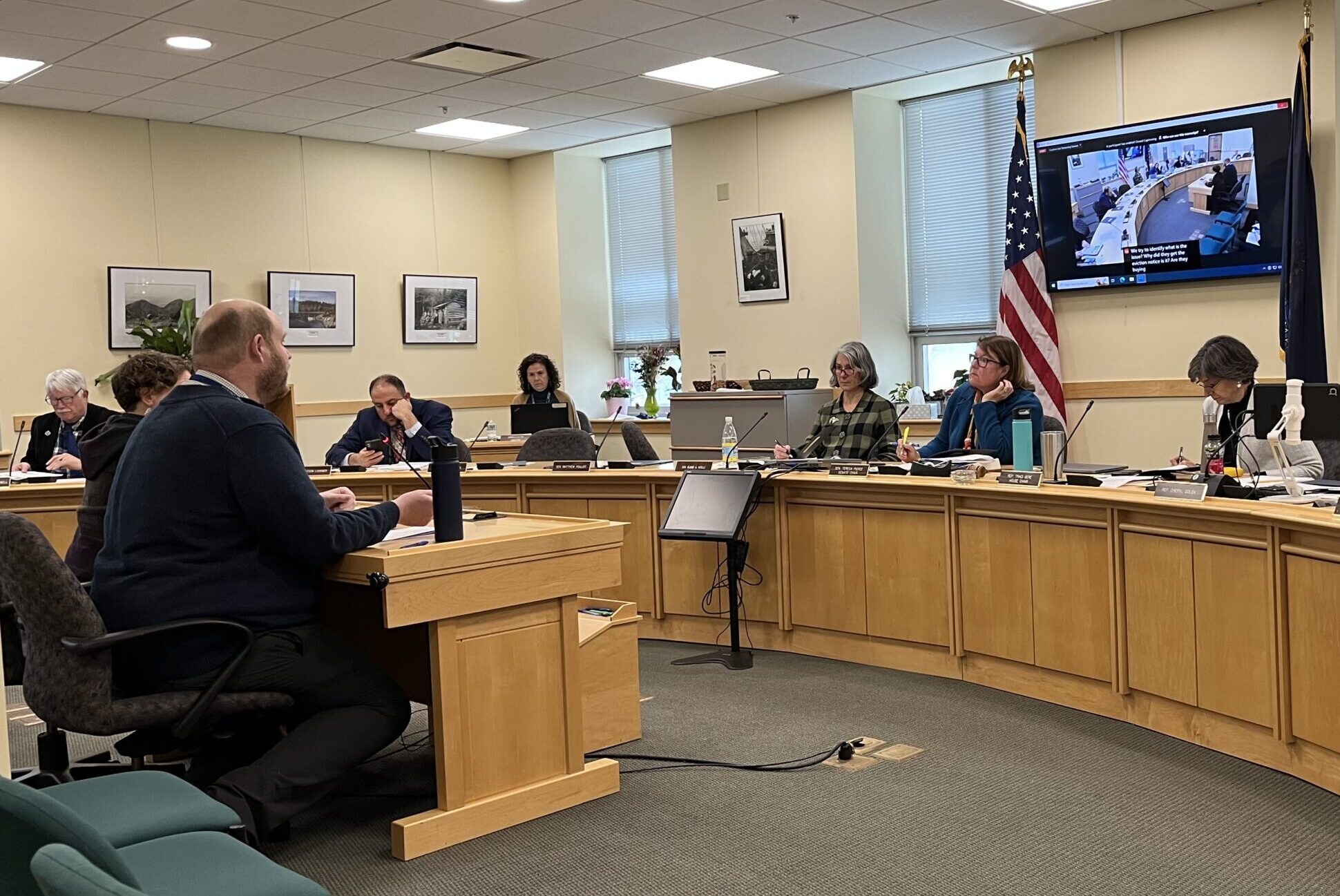
The second session of the 132nd Maine Legislature began on January 7 and will run until April 15. Maine’s Legislature works in two-year cycles that include a long and a short session. We are in the short session, which covers only two types of bills: carry-overs (bills filed last session that still need to be completed) and emergency bills (new bills approved by the Legislative Council).
As the federal government continues to cut funding for critical services and issue confusing directives, the focus this session is ensuring Maine’s budget can fill some of these gaps. Preble Street’s legislative priorities this session are:
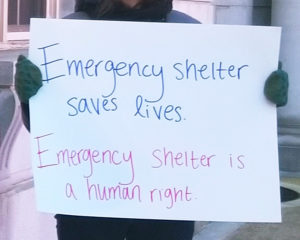
- Keep emergency shelters open: Maine’s emergency shelter system is facing a funding crisis because of rising operational costs and increased need. We are advocating for a permanent increase in shelter funding to keep life-saving shelter beds open.
- Support survivors of human trafficking: There is a significant gap in federal funding for Maine’s only anti-trafficking program assisting adult survivors of sex trafficking. We need state funds to fill this urgent need and provide survivors with the resources that can help them reclaim their lives.
- End Veteran homelessness in Maine: Nearly 200 Veterans in Maine are currently experiencing homelessness. Landlord engagement has been a key part of moving Veterans into housing, including providing landlords with financial incentives when they rent to Veterans.
- Prevent homelessness: Providing one-time financial support to individuals and families facing a housing emergency is one of the most cost-effective ways to prevent people from experiencing homelessness. In 2025, Preble Street’s Rapid Re-Housing team served 59 households with just $120,000 in total diversion funding, helping 100% of them to remain housed and avoid entering the homeless services system. By increasing investment in diversion funding, Maine can save money and support individuals and families in maintaining housing stability.
- Address food insecurity: Rising grocery prices and cuts to federal nutrition programs have left many Mainers without adequate access to food. This session, we will be supporting a range of bills intended to improve Maine’s response to food insecurity and expand the state’s ability to respond to future disruptions in federal funding.
For more information about these priorities and the corresponding legislative bills, click here.
Stay tuned to our social media channels and the Advocating for Solutions newsletter for actions you can take this session to support your neighbors in need!

Take Action: Tell Maine to provide permanent funding for emergency shelters!
UPDATE FEBRUARY 24, 2026: Mainers experiencing homelessness need you to advocate for shelter funding now! After the public hearing and work session on the shelter funding bill earlier this month, the Housing and Economic Development Committee has tabled the bill and is scheduling another work session. We cannot let this bill die in committee! From York to
One year of Hope House
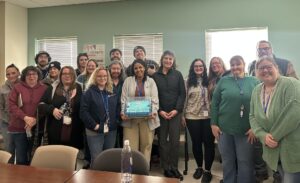
In February 2025, Preble Street officially assumed operations of Hope House Shelter in Bangor! In that time, staff have helped an incredible 57 people move from the shelter into permanent housing and provided 268 individuals shelter and housing navigation services. 365 days/year, Hope House provides 56 people (68 when renovations are complete) in the Bangor area a safe place to sleep, warm meals, and connection to services that will help them move

Staff highlight: Annick Nzeyimana – Walking alongside clients
Preble Street staff are #CompassionInAction, and we want you to get to know them! This month we’re introducing you to Annick Nzeyimana, Case Worker, Anti-Trafficking Services. How long have you worked at Preble Street? I have been working at Preble Street and in the Anti-Trafficking Services program for the past two years. What do you like most about your role? What