


NEWS

50 years of food security

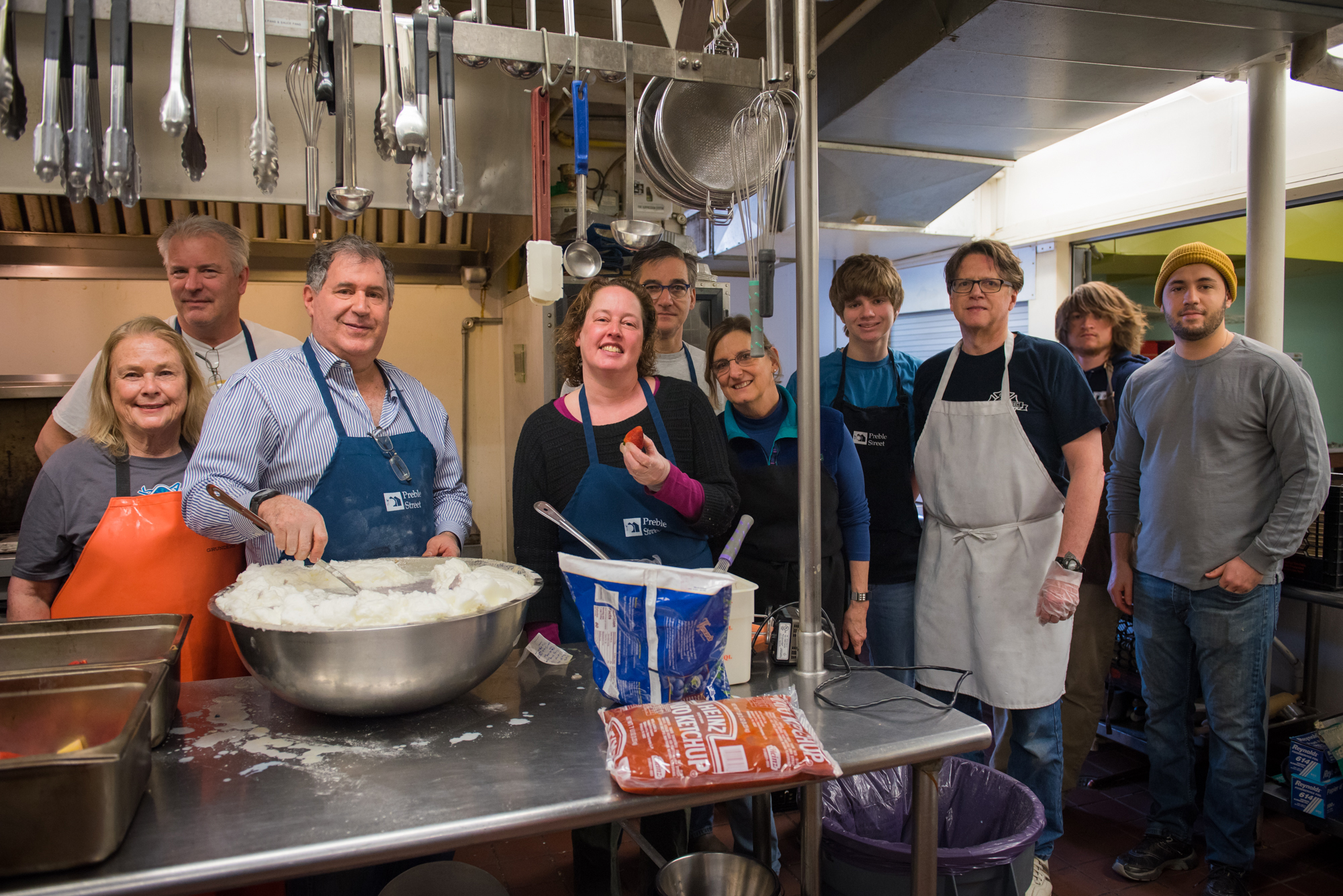
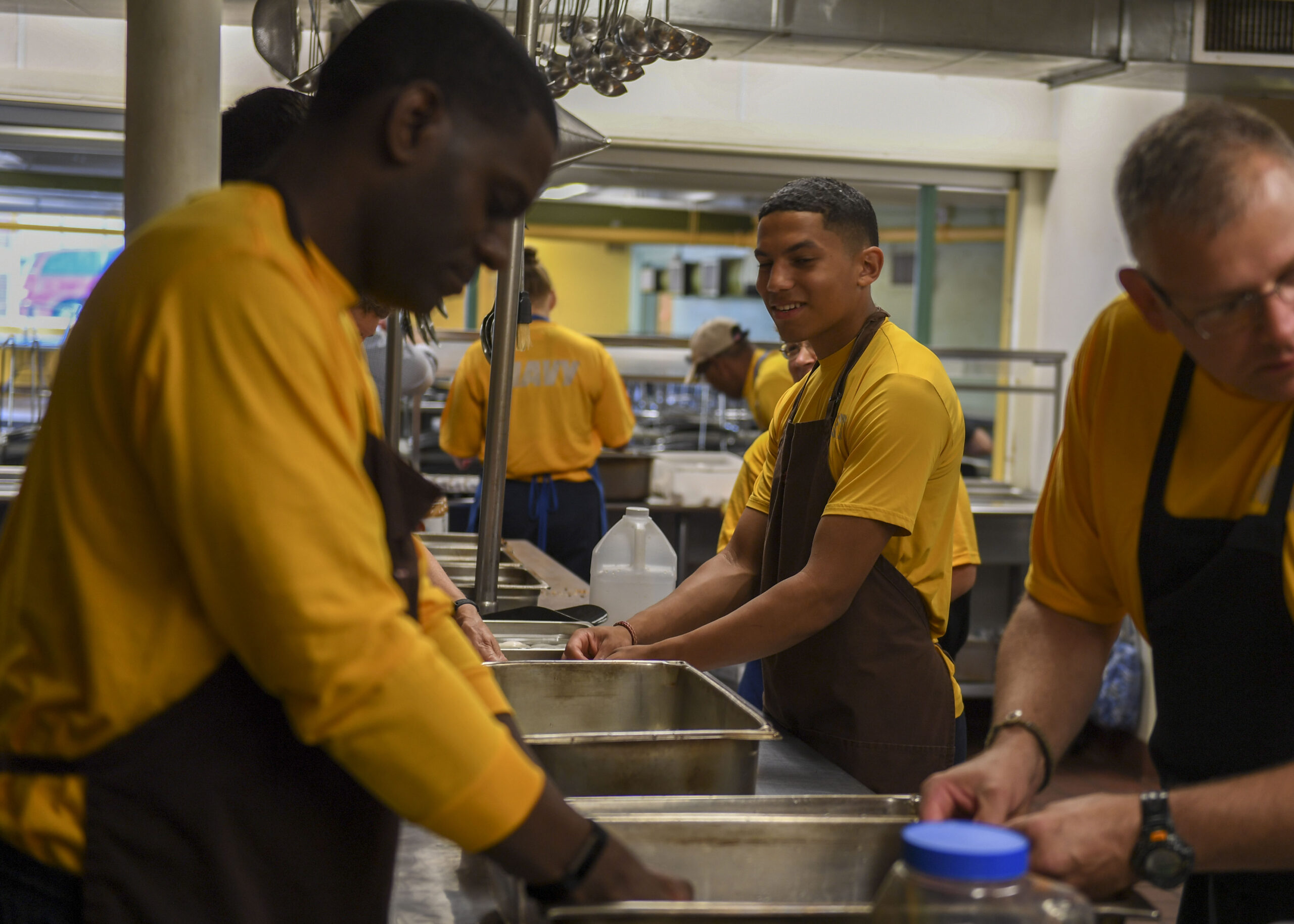
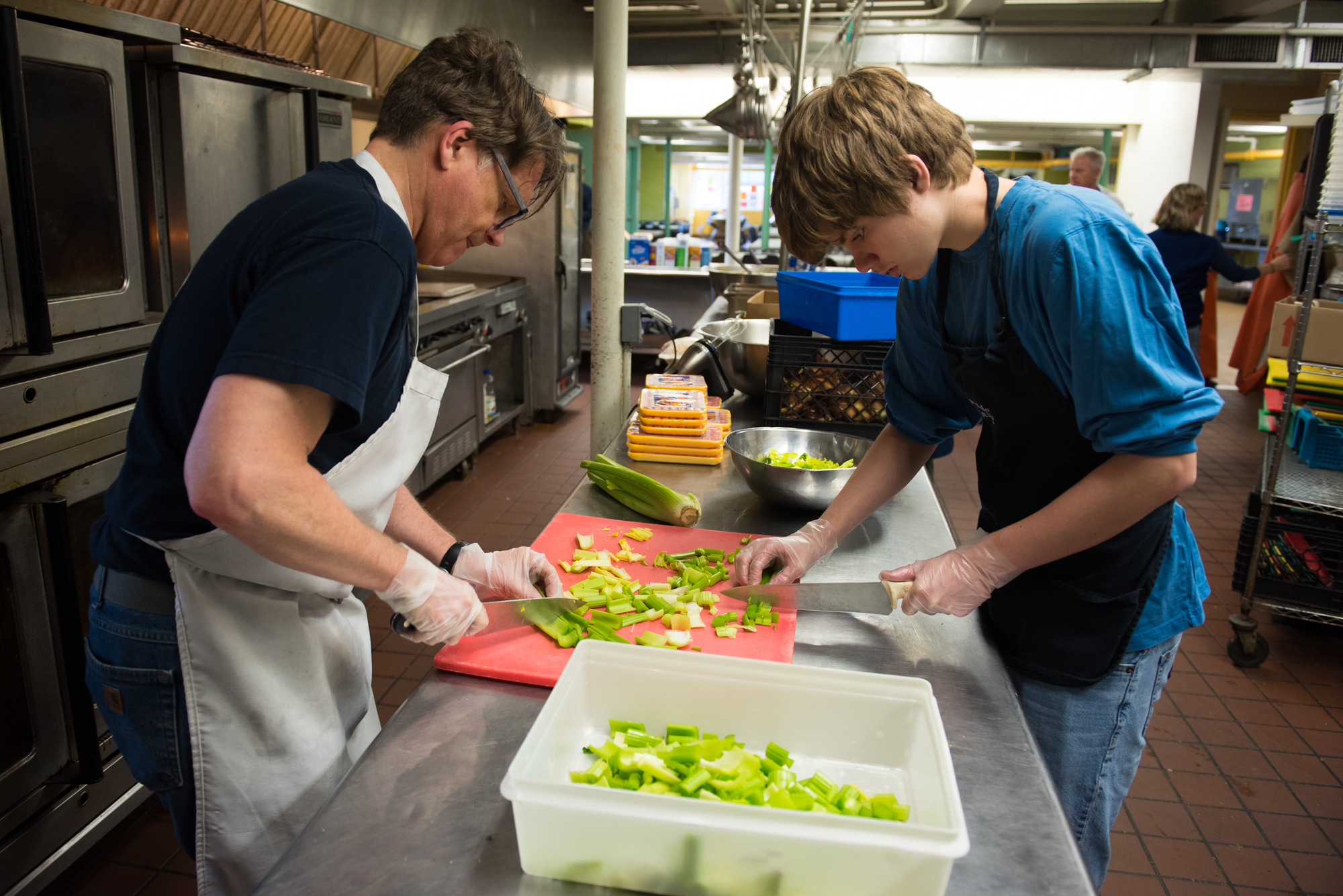
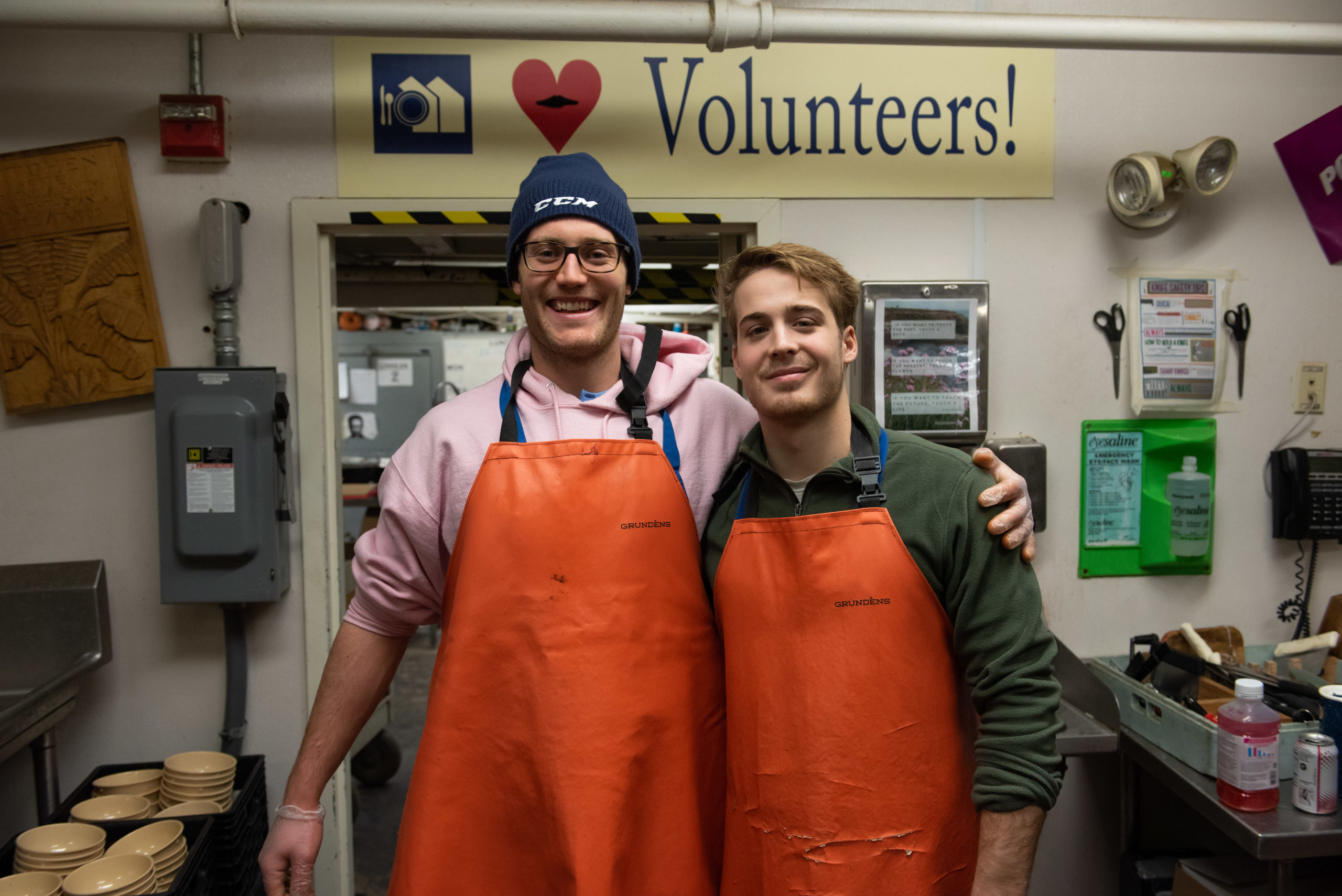
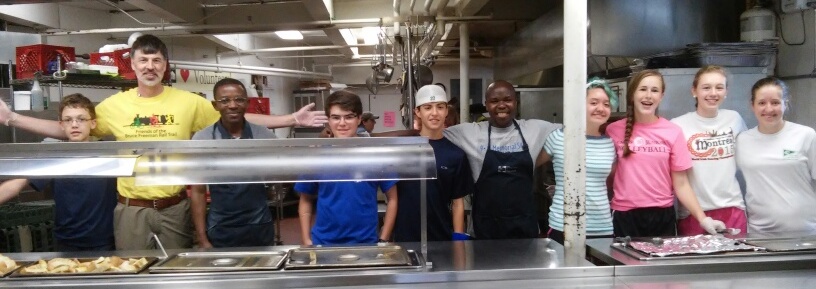
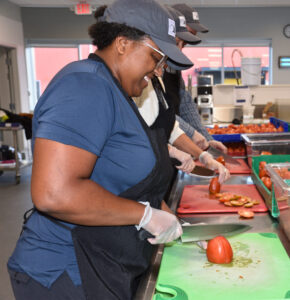
At 6 am on a frosty morning in early November, the lights and ovens get turned on at the Preble Street Food Security Hub (FSH). By 7am, volunteers and staff begin to fill the kitchen, and by 8:30 am, everything is humming along. The smell of roast chicken fills the air while knives go thunk through local carrots. Chefs look at the meal plan and make sure everyone has what they need.

There’s no time to waste. The current Administration’s decision to cause chaos around funding for SNAP benefits leaves 170,000 Mainers uncertain about whether or not they will have enough money for food. The kitchen has a goal of prepping, cooking, packaging, and freezing 2,500 meals today. Those meals will feed people in shelters, people who are unsheltered, Veterans, older adults, kids, and more.

Since the first days of Preble Street 50 years ago, food and social work have gone hand in hand. It’s simple – when basic needs are met, employment, education, housing, and connection to health care, substance use and mental health supports follow.

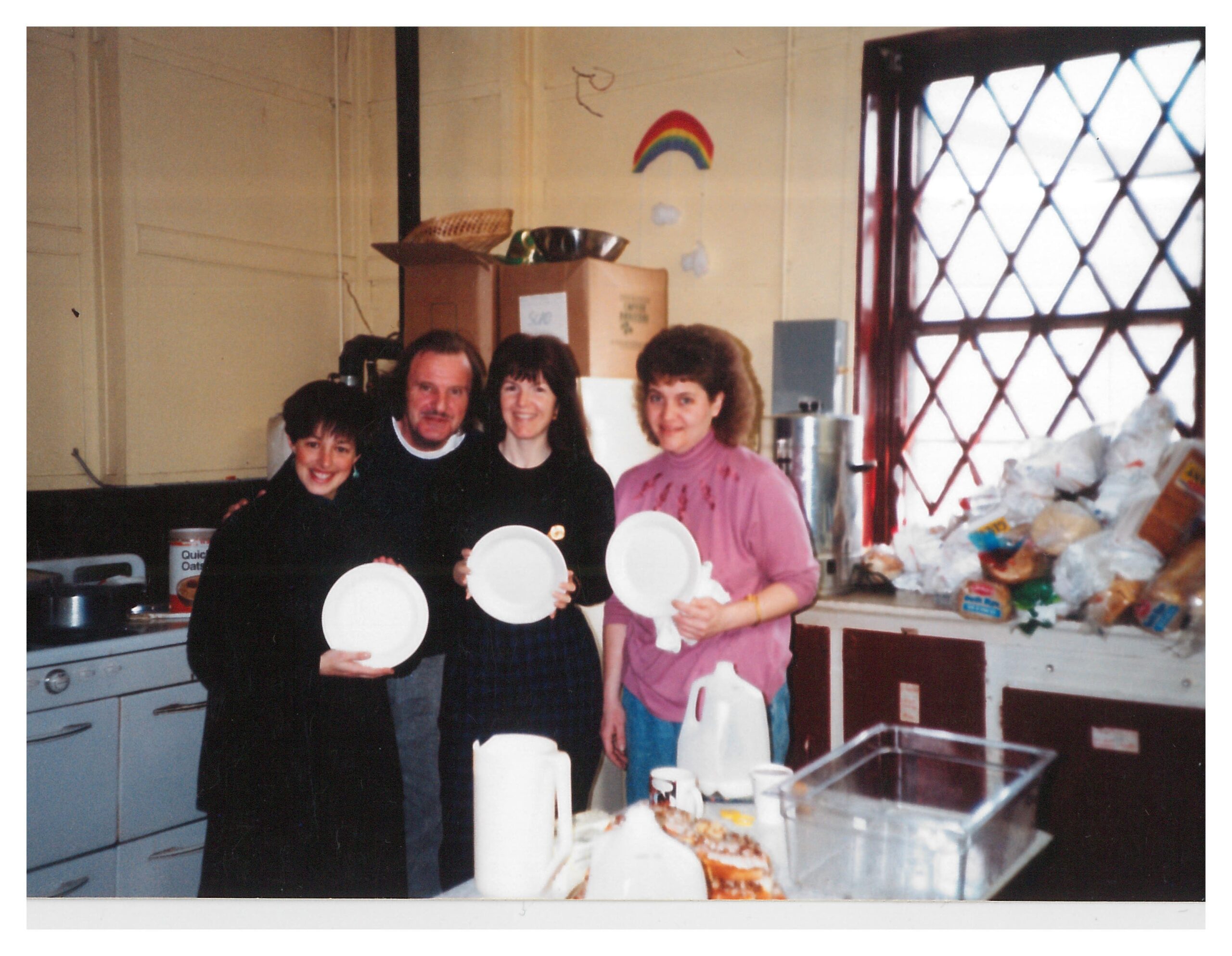
In the early 1980s, Preble Street was a small, neighborhood-based organization run by a handful of social work student interns under the guidance of founder Joe Kreisler. As homelessness and hunger grew in Portland, Maine, and the rest of the country, Preble Street shifted to respond.

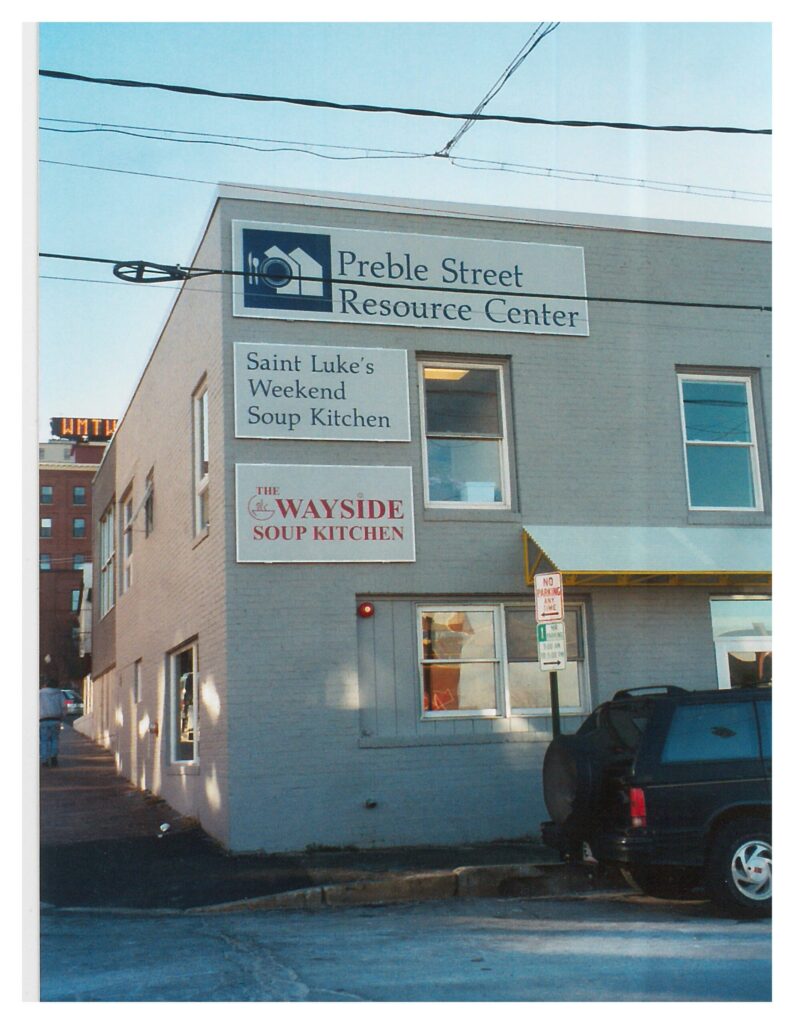
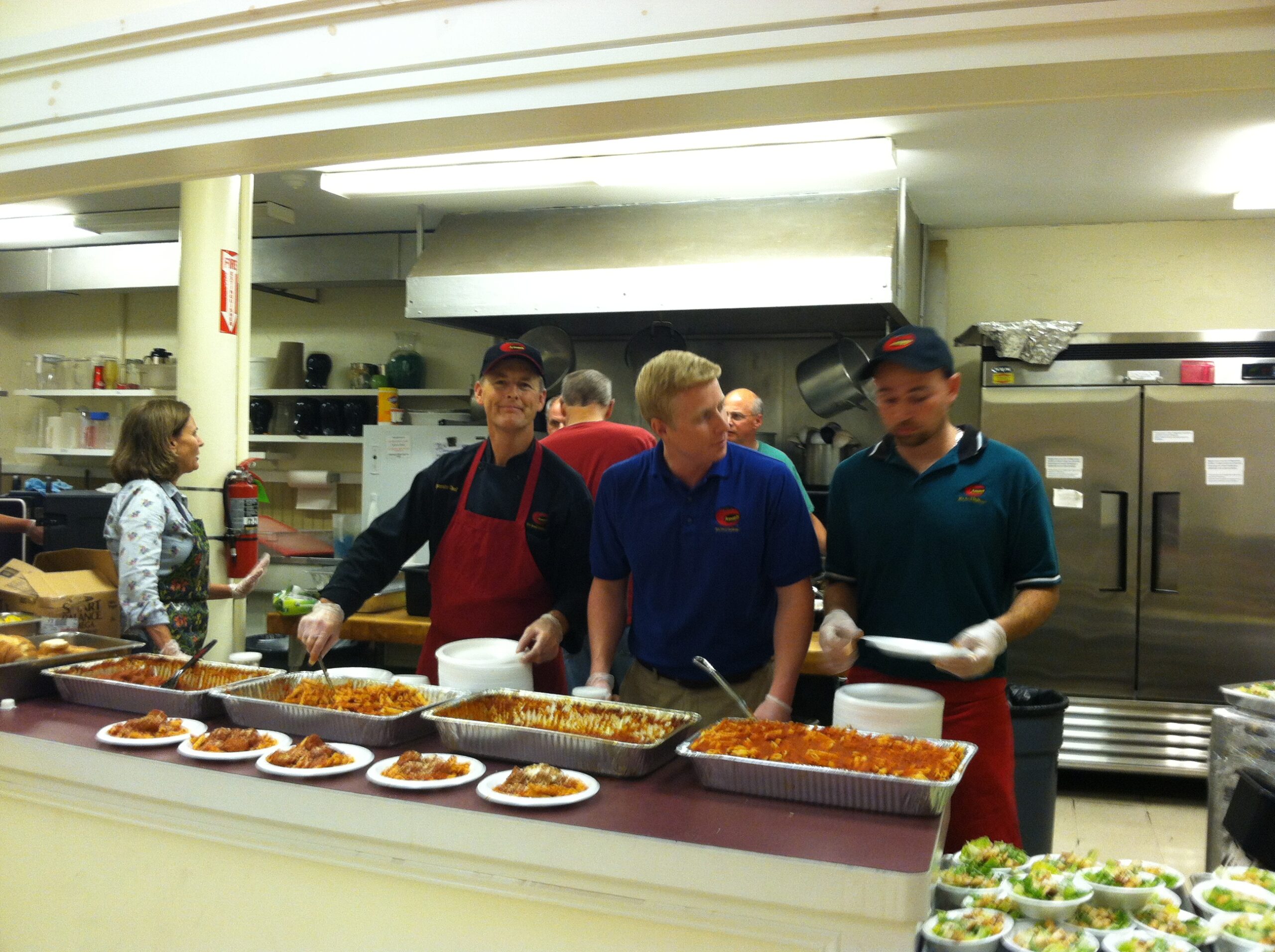
Under the Reagan administration and a Democratic Congress, the U.S. Housing and Urban Development (HUD) budget was decimated by a 77% budget cut, and more than $12 billion was slashed from federal food stamp and child nutrition programs. The emergency shelter and food systems emerged in response to these drastic cuts, trying to meet people’s most basic survival needs. In 1982, a few dozen people would gather at Preble Street for coffee and warmth. By 1990, the agency provided 200 breakfasts each day. When the soup kitchen opened as part of the Preble Street Resource Center in August 1993, Preble Street served about 200 breakfasts and 200 dinner meals five days a week. And the pantry served about 80 families, one day a week.

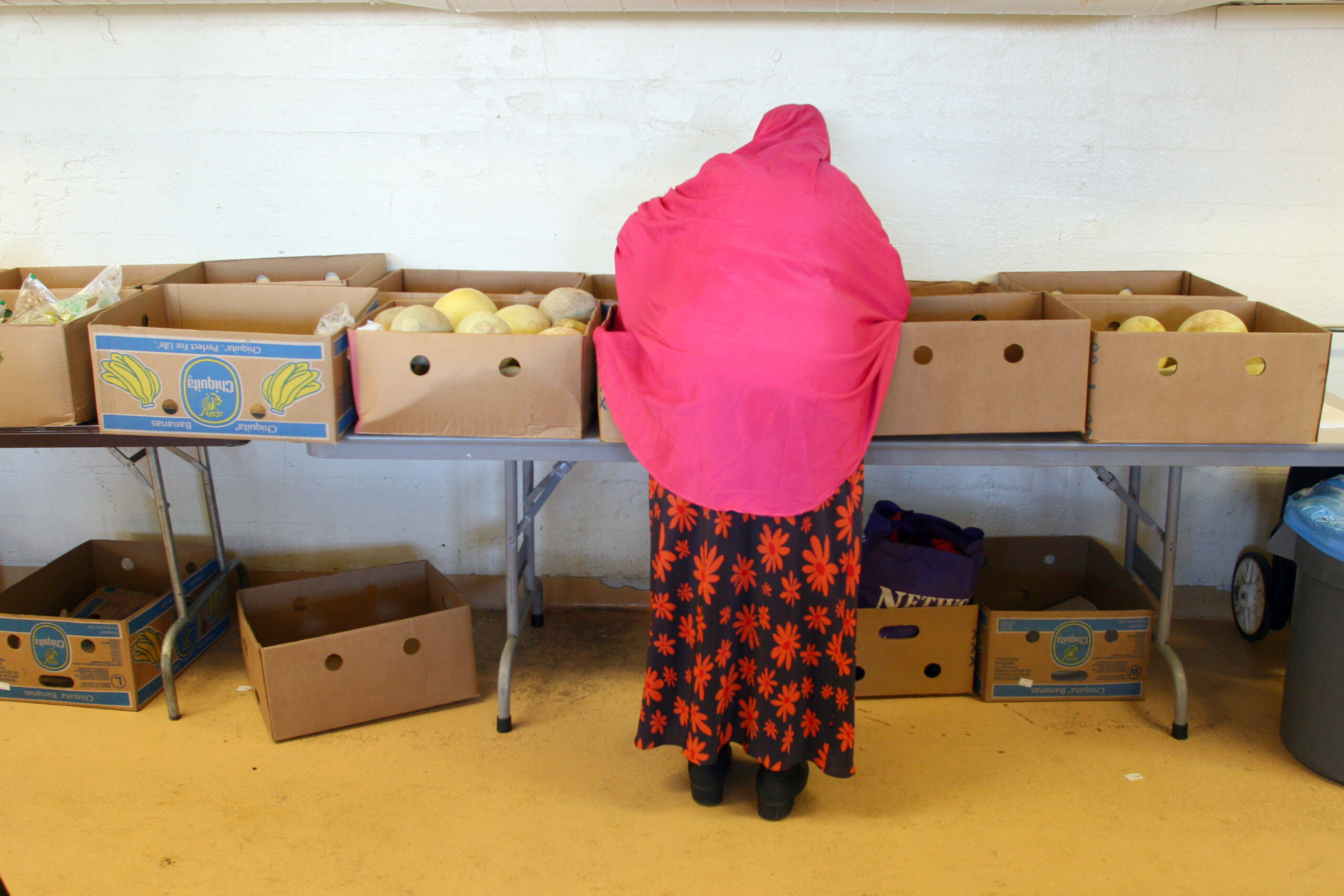
As the community’s needs steadily grew, so did Preble Street’s output of food. Through recessions, natural emergencies, and shifts in community demographics, we expanded meals to seven days each week, added lunches, and developed emergency food boxes and to-go meals as needed.

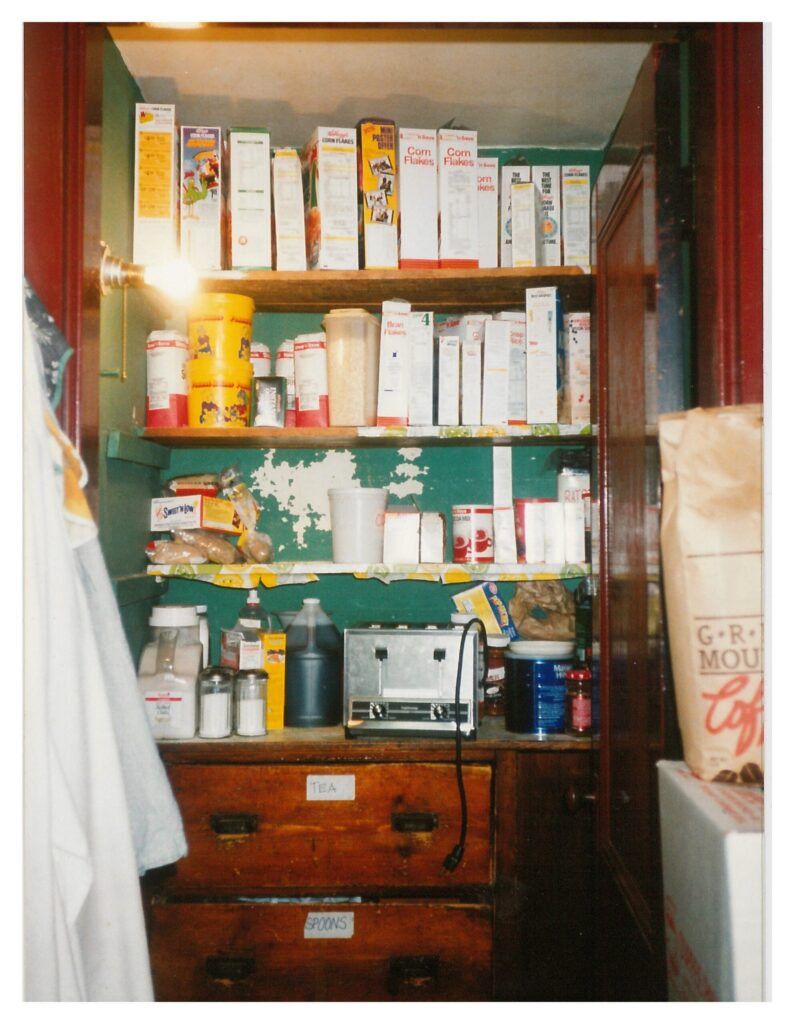
“I started to volunteer with Preble Street when it was still located in town. Small spaces, crowded, too cold, too hot…but there was something special about the energy expended by volunteers coming from social groups, churches, schools and like myself, just me,” shares Jill Babcock. “Unloading, unpacking, stocking shelves, cutting, cooking serving, cleaning up…the Wednesday food pantry when individuals could stock up on donated food supplies. The space again, was limited but it was humbling to serve.”

When the pandemic hit, with clear guidance and advice from infectious disease specialists, Preble Street made the difficult decision to shift our anti-hunger efforts from a soup kitchen model where hundreds of people experiencing hunger needed to congregate in a crowded space three times each day. With this change, the Preble Street Food Programs team began creating prepared meals for people to eat where they are – whether at emergency shelters, the YMCA, sober homes, or on the street for people who are unsheltered. No longer did people have to stand in line, trudge through snow and bad weather, sometimes carrying everything they had to get a hot, nutritious meal.

As the pandemic went on, Preble Street refined its new production model – meal quality, nutrition, partnerships, and efficiency improved, and we were better able to integrate local and fresh produce into meals.

Meanwhile, outside, the homelessness crisis was exploding. The building that had housed the Preble Street Resource Center and soup kitchen was zoned as an emergency shelter. What would be the best use of this building? The community desperately needed more shelter beds, but it was clear that Maine also needed more emergency food resources that reached beyond just downtown Portland.

Around that time in 2021, our partners at Good Shepherd Food Bank shared that prepared meals were an enormous unmet need in Maine. Not pantry boxes, but prepared meals, across the state. That was one of the many conversations that inspired the vision for the Preble Street Food Security Hub.

Today, after four years of planning, fundraising, and construction, the Food Security Hub is officially open. With its custom designed kitchen and distribution centers, Preble Street can better meet the needs of the diverse groups of people experiencing food insecurity in Maine: people experiencing homelessness and housing insecurity, youth, families with children, immigrants and asylum seekers, older adults, and Veterans. We now have the capacity and flexibility to respond to whatever the emerging or emergency needs are – new partner organizations, changing demographics, natural disasters, or economic downturns.

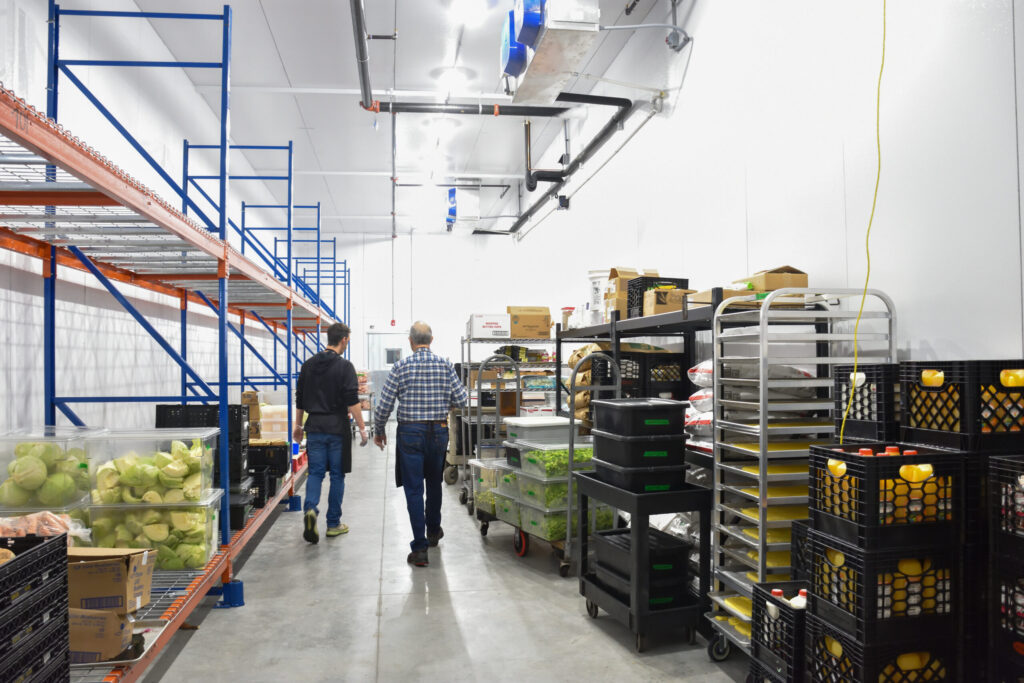
Every day, a culinary team with professional experience spanning fine dining, large-scale catering, research and development, and food justice leads staff and volunteers in the new 5,000 square foot kitchen. Meals are prepared from scratch, using local produce donated from area farms. State-of-the art equipment, including blanchers, blast chillers, and dehydrators, allows for the preservation of produce that would otherwise have spoiled and increases access to nutritious fruits and vegetables year-round.

For decades, Preble Street has fed people impacted by various crises and natural disasters, from the Ice Storm of 1998 to the 2008 recession to the pandemic, and more. The increased processing and freezer capacity of the Food Security Hub allows us to have 50,000 frozen, prepared meals on hand and available for future emergencies. Those meals, in addition to the 10,000 meals that the kitchen will be able to produce daily, will serve as a vital resource for Mainers across the state in need of food.

“The Food Security Hub embodies that if you have a way to process it, you can deal with a lot more fresh and healthy food. You can accept more and different kinds of donations, packaging it right into a meal, or getting it in a freezer,” said U.S. Representative Chellie Pingree at the FSH Grand Opening in October 2025. “And you can’t talk about feeding people without talking about SNAP. It’s always important for people to understand that as wonderful and needed as all of our food pantries and food assistance is, SNAP benefits supply people with about a nine to one ratio of what you can get from food pantries.”

With federal cuts and ongoing threats to emergency food assistance and healthcare chipping away at the safety nets that help many people in our community stay fed, healthy, and housed, the potential of the Food Security Hub could not be more needed right now. Preble Street, alongside many community partners, will continue to work relentlessly to feed vulnerable people in Maine.

Combating food insecurity in Maine is a collective effort. It needs to be. One organization and one building can’t end hunger alone. Partners, staff, food providers like grocery stores and farms, community members – this work takes all of us.

Read more Curbside

Board Profile – Lauren Gauthier

How did you first get involved with Preble Street? My wife is from Maine, and we’d come up frequently to visit my in-laws before moving up here permanently. On one of these trips, I was lucky enough to meet Swannie through my father-in-law, John Roberts, and got a tour of the organization. It stuck with

Read More »

Everyone deserves a safety net

“I had just one thing in mind, one goal in mind,” shares Cindy Neff, from the apartment building she has been living in for the past six months. “I wanted to get off the streets. I wanted to live again. I wanted a roof over my head. I wanted that safety net back for myself.

Read More »

Letter from Swannie: Winter/Spring 2026

There is a lot to reflect on as we wind down Preble Street’s 50th anniversary year. A lot! In February, Preble Street began operating our first 24/7 program outside of Portland when we stepped in to prevent the closure of Bangor’s Hope House Emergency Shelter. In June, we celebrated our anniversary with more than 800 partners, friends, volunteers, current and former staff, and community members and combined our voices to call for Justice for

Read More »