Hunger and homelessness have been on the rise in Maine post-pandemic, leaving thousands of fellow Mainers without enough food and without shelter or housing. Lack of available housing and shelter options leaves many experiencing homelessness with no choice other than to shelter outside. This leads to increased interactions with law enforcement and fewer connections to critical resources, like food and housing assistance, medical treatment, and more. Issues of housing and food insecurity, homelessness, and poverty disproportionately impact Mainers of color. A 2020 calculation of people accessing services in ten Preble Street programs showed that 22% are BIPOC (Black, Indigenous, or People of Color) – roughly four times more than the percentage of BIPOC individuals in Maine.
YOU and your network of family and friends can help us create real change this year. Thanks to advocates who serve in the Maine legislature, there are several proposed bills this session offering unique opportunities to address many of these issues and create a better future for everyone who lives here. Preble Street and our partners are advocating for expanded access to essential services, support for the people who need it most, and the creation of better systems that will help end hunger, homelessness, and racial inequities. Preble Street’s top priorities for the legislative session are…
- Expand funding for shelters across Maine.
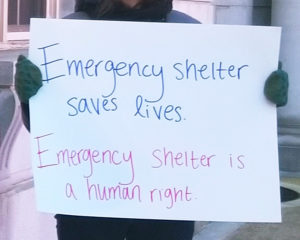
- Emergency shelter is often the first step someone takes to exit homelessness. Emergency shelters are the “emergency room” of the homelessness response system, where people can get connected with the supports and services they need to recover from homelessness and return to stable housing. However, Maine state funding for emergency shelters has remained the same since 2016.
- Amend General Assistance rules to support emergency shelter beds.
- The rising costs of housing, food, and other essentials have made General Assistance funding less effective at doing its job of helping vulnerable individuals and families in Maine. Increasing state reimbursement for General Assistance to municipalities will keep emergency shelters professionally staffed and open as well as help working individuals and families identify or maintain housing and meet their basic needs.
- Increase accessibility to vital records for unaccompanied and homeless youth.
- Vital documents, like birth certificates and state IDs, are critical to obtaining employment, health insurance, and other essential benefits; but, homeless and unaccompanied youth, often don’t have the money to pay the fees for these vital documents. Fee waivers for homeless youth, ages 15-21, will make driver’s licenses, state IDs, and birth certificates more accessible.
During the spring of 2024, Preble Street was successful in securing three years of $2.5 million in funding for low-barrier shelters in Maine. This will help staff and keep open the five critically important privately operated, low-barrier shelters in our state, which our most vulnerable neighbors and community members rely on.
WHAT CAN YOU DO?
Follow us on Facebook, Instagram, and LinkedIn and/or sign up for advocacy alerts to stay informed!
CONTINUE READING...

The Preble Street response to the SNAP crisis
Donate here to help Preble Street provide emergency food to people in need in Maine! Volunteer with Preble Street to help produce up to 10,000 meals a day. Update: December 3, 2025 While last month’s SNAP benefit emergency was resolved, the ongoing SNAP crisis is not. The massive cuts to SNAP and Medicaid made in this

Federal government decimates funding to housing programs
As we shared earlier this month, there will soon be more tents and encampments popping up throughout Maine. In a continuation of massive cuts to programs helping people living in poverty, the current Administration has announced a huge change to how it will fund housing and homeless services. This new approach will decimate permanent supportive

1,200 Mainers at risk of reentering homelessness
CALL TO ACTION Call and email Senators Collins and King, and Representatives Golden and Pingree as often as you can — every day — and implore them to demand that the Department of Housing and Urban Development (HUD) revise their disastrous changes to federal homelessness and housing policy. If they do not, more than 1,200